
Product photography is the first thing a shopper judges and one of the last things most teams budget for properly. On a screen, your photos do the job a salesperson and a showroom once did together: they answer “what is this,” “is it any good,” and “will it work for me” in the half-second before anyone reads a word. When the pictures are sharp, honest, and complete, product photography quietly drives sales. When they are thin or generic, they cost you customers you never knew you lost. Here is what the data says about how much imagery moves the needle on conversion, and where to put your next dollar.
Key takeaways from this article:
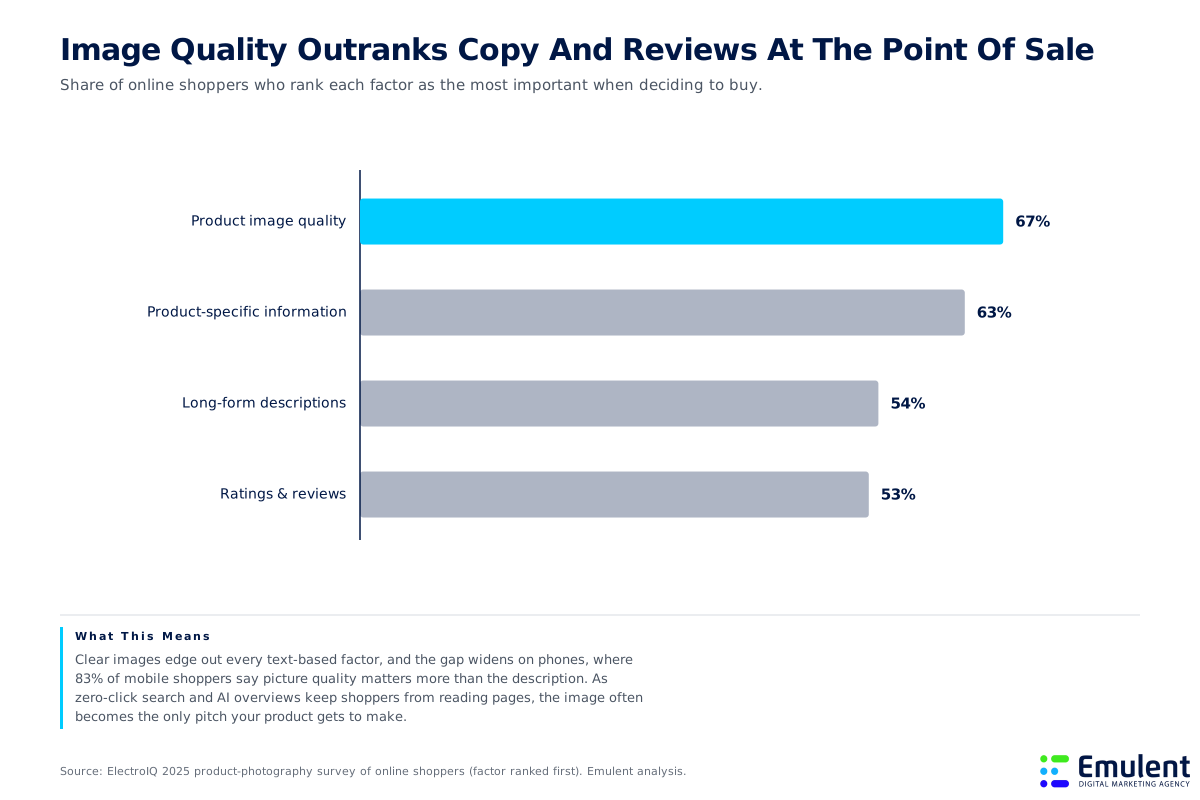
- Images beat words at the moment of decision. Shoppers rank picture quality as the single most important buying factor, ahead of product details, descriptions, and reviews.
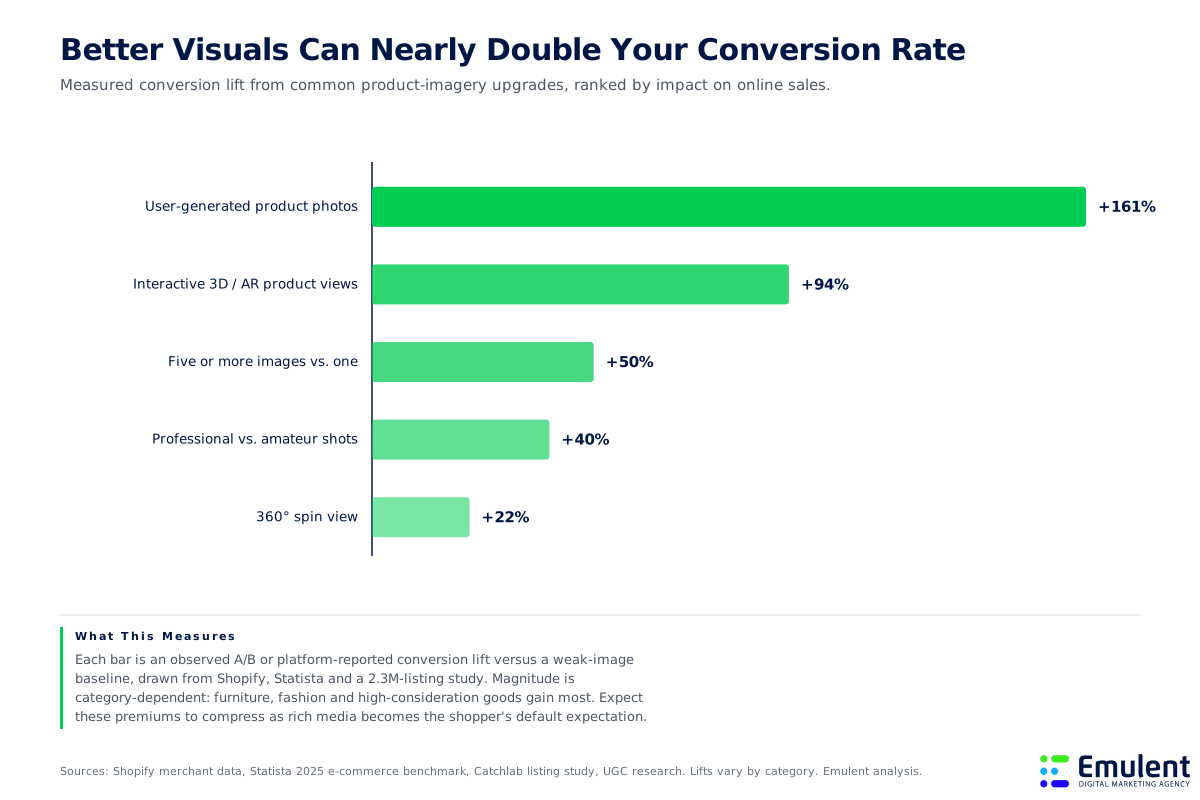
- The lift is large and measurable. Visual upgrades raise conversion anywhere from 40% to 161%, depending on the format and the category.
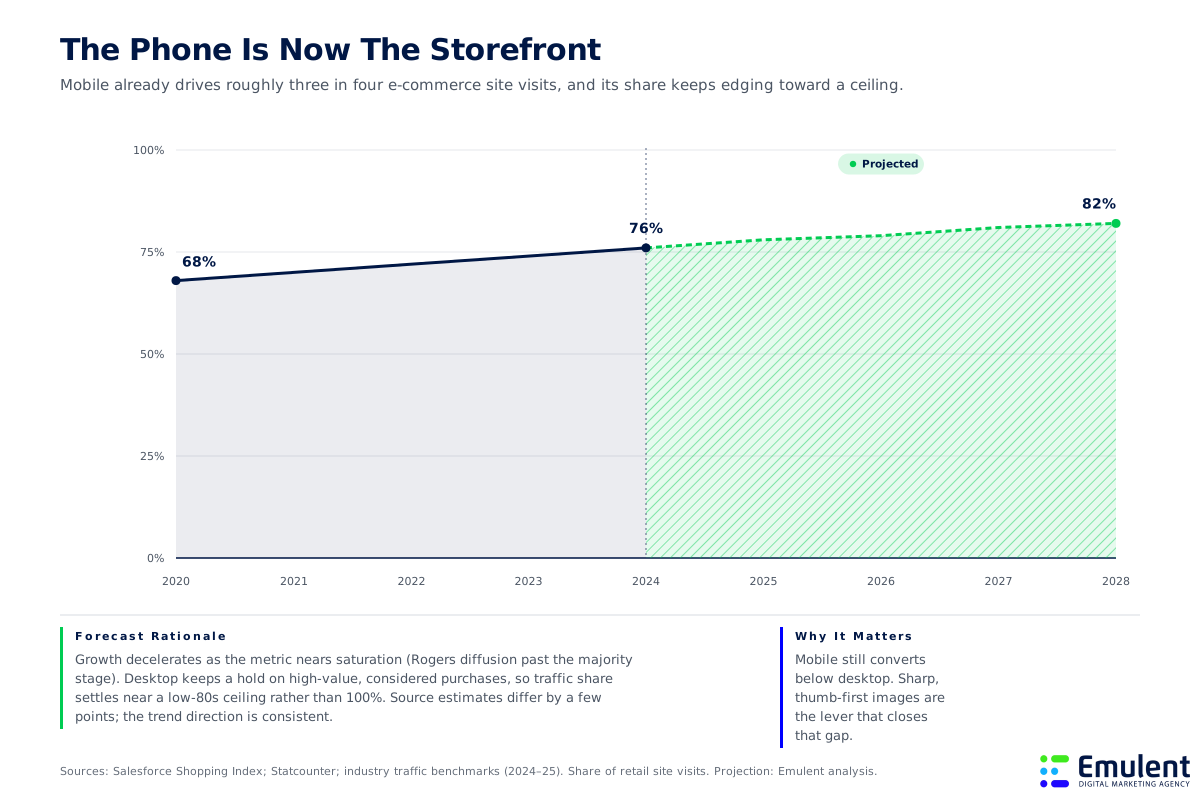
- The phone is the storefront. Roughly three in four store visits happen on mobile, where a small screen makes the image carry even more weight.
- Honest photos pay you back twice. They lift conversion and cut returns by setting accurate expectations before the box arrives.
- Immersive imagery is rising fast. 3D and AR product views are growing about three times faster than flat photography and resetting what shoppers expect.
- Photography is a system, not a shoot. The payback compounds when imagery is built to carry across the whole brand instead of living on a single product page.
Why Do Your Photos Decide The Sale Before Your Copy Gets Read?
Shoppers form a judgment about a product in about 50 milliseconds, and most of them look at the picture before they read anything. In ranked surveys, image quality comes out on top, edging past product details, long descriptions, and even ratings and reviews. That order matters. You can write a brilliant product page, but if the lead image looks weak, the copy never gets its turn. Photography is the fastest trust signal you have, which is the same reason professional team photos build instant trust on an about page. A blurry or sterile shot reads as a blurry or sterile company.
- What is it? The hero shot should make the product obvious at thumbnail size, before any zoom or scroll.
- Is it real and well made? Sharp focus, true color, and visible texture stand in for the customer picking it up.
- Will it fit my life? A sense of size and setting tells a shopper whether it belongs in their home, hand, or wardrobe.
– Emulent Strategy Team
If the first image answers those three questions, the shopper keeps going. The next question is which visual upgrades are worth paying for, and how much each one actually returns.
Which Visual Upgrades Actually Move Conversion, And By How Much?
Not every photo upgrade pays the same. Pooling A/B tests and platform data gives a clear ranking of what moves conversion most. Real customer photos, the kind people shoot themselves, post the biggest lift because they carry social proof no studio can fake. Interactive 3D and AR views come next, then giving shoppers five or more angles, then simply replacing amateur shots with professional ones. The point is not that any single number is a promise. The point is that better imagery sits among the highest-return changes you can make to a product page, well above most pricing or copy tweaks. You can compare your own numbers against the average conversion rate for your industry to see how much headroom you have.
The flip side is the cost of doing nothing. A shopper who cannot tell what they are buying does not email support. They click back to a competitor whose pictures are clearer, and you pay for that traffic twice: once to acquire it and once to lose it. Strong brand photography turns that lost click into a sale.
Where each upgrade earns its keep:
- Customer photos: best for anything bought on trust and taste, like apparel, beauty, and home goods.
- Multiple angles: highest value for fit-sensitive items where buyers fear surprises.
- 360 and AR: strongest for size and scale categories such as furniture, eyewear, and equipment.
Knowing which formats to use is half the job. The other half is knowing what each individual shot should put in front of the buyer.
What Should Each Product Shot Actually Show?
Good catalogs follow three simple lenses: detail, context, and scale. Detail shots get close to texture, stitching, finish, and materials, the things a customer would inspect by hand. Context shots place the product in real use, a sofa styled in a room or a jacket worn outside, so people can picture owning it. Scale shots use a model or a familiar reference object to answer “how big is this,” which is the question that quietly kills carts when it goes unanswered. Studies of large catalogs show that piling on more front-facing duplicates adds nothing, while detail, context, and scale each drive real engagement. This is also why a beautiful website that does not convert often has gorgeous but uninformative photos.
One trap sits underneath all three lenses: generic stock imagery. Shoppers spot a recycled stock photo quickly, and it reads as a brand hiding something. Original photos build noticeably more trust, often around a third more, because they prove the product is real and the seller stands behind it. When images mislead or under-inform, you do not save money. You buy returns and abandoned carts, and customers blame your product rather than your photos.
The three lenses every product needs:
- Detail: macro shots of texture and finish that replace the in-store touch test.
- Context: lifestyle and in-use shots that let a shopper see the product in their world.
- Scale: a model or reference object that sets honest expectations about size.
– Emulent Strategy Team
Doing all of this well takes real work, which raises the obvious question every finance team asks: is it worth the cost?
Is Better Product Photography Worth The Cost?
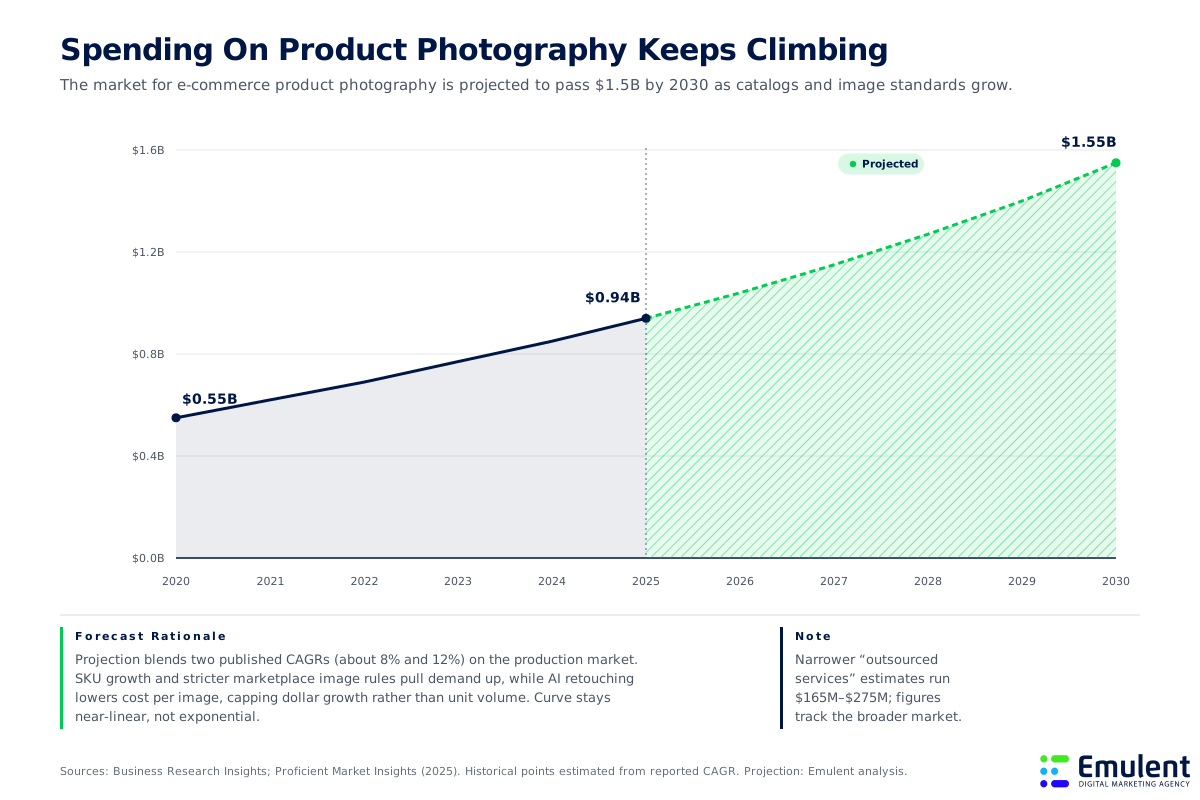
The math holds up on both sides of the ledger. On the revenue side, rich, accurate imagery makes a shopper roughly three times more likely to buy, and it lifts revenue per visitor. On the cost side, it shrinks returns. About a fifth of online returns happen because the item looked different in person, and truthful photos cut straight into that number. Spending on product photography keeps climbing as catalogs grow and marketplaces tighten their image rules, yet the price of producing a good image is falling fast. AI retouching and automated studios have pushed the cost of a clean rotating video from around twenty-five dollars per item down to a few dollars. So the entry barrier is lower than it has ever been, which is why underinvestment is now a choice rather than a budget limit. For most e-commerce brands, photography is one of the highest-return line items available.
- Higher conversion: more of your existing traffic turns into orders, with no extra ad spend.
- Fewer returns: accurate images reduce the costly “looked different” refunds.
- Longer engagement: shoppers linger on detailed pages, which also helps search rankings.
- Less wasted media: the clicks you already pay for stop bouncing off weak pages.
If the spend makes sense, the next decision is where those photos will be seen most, and for almost every brand the answer is a small screen in someone’s hand.
How Does Mobile Change What Your Photos Must Do?
Mobile now drives roughly three out of four store visits, so your photos live or die on a phone. The catch is that mobile converts below desktop, and that gap is exactly where good imagery earns its money. People shopping on a six-inch screen will not read a long description, but a strong image speaks instantly. Portrait-oriented hero shots built for thumb-scrolling outperform old horizontal crops, and one major retailer lifted mobile conversion by about a fifth just by redesigning its galleries for the phone. The work is to keep images sharp and legible while staying light enough to load fast, since slow pages are a top reason visitors leave a website. A well-built e-commerce site handles responsive galleries and zoom without forcing that trade-off, and for store builds we point clients to Shopify for exactly that reason.
- Portrait hero: design the lead image to fill a vertical screen, not a desktop banner.
- Thumbnail legibility: the product must be clear at the size of a fingertip.
- Fast loading: compress for speed so the gallery never stalls the sale.
- Zoom on detail: let pinch-to-zoom replace the close inspection a phone screen cannot give.
– Emulent Strategy Team
Building for the phone covers today. The faster-moving question is what shoppers will expect from product imagery next, and whether you should pay for it yet.
Where Is Product Imagery Heading, And When Should You Invest In 3D And AR?
Flat photography is growing at a healthy pace, but immersive imagery is growing roughly three times faster. 3D and AR product views let a shopper spin an item, see its true size, and place it in their own room. That confidence shows up twice: higher conversion and far fewer returns, with some furniture brands cutting returns by a third or more once buyers can preview scale at home. Search is moving the same way, since visual and AI-driven results reward clean, well-shot imagery, and the way reviews and visuals shape what AI says about you is becoming its own discovery channel.
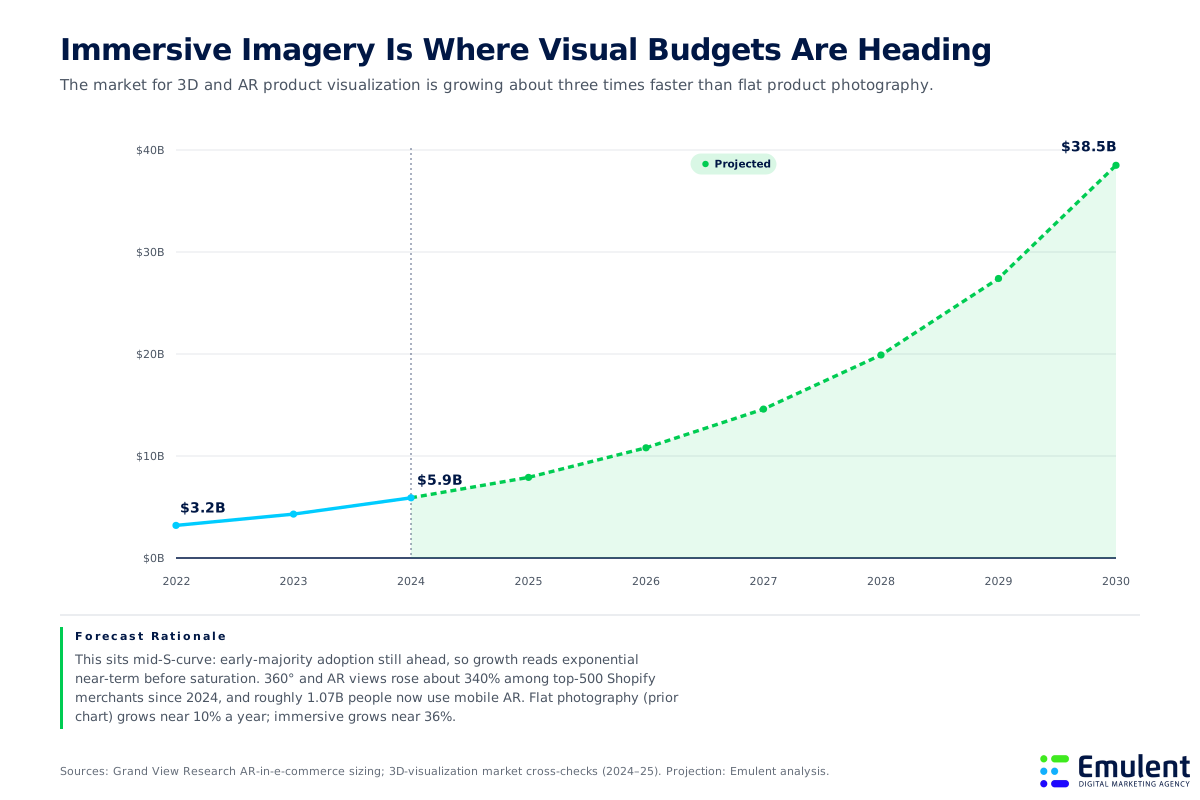
That does not mean every brand needs it tomorrow. The decision comes down to category.
When to invest in 3D and AR, and when stills are enough:
- Invest now: high-consideration, fit-and-size categories like furniture, eyewear, fashion, and equipment, where returns are expensive.
- Hold for now: low-price commodity items where a clean set of stills and a short brand video already answer every question.
- Either way: get the base stills right first, because AR and 3D amplify good photography, they do not replace it.
Whether you stop at stills or push into 3D, the same principle decides whether the spend pays off: imagery has to work as a connected whole, not a one-time deliverable.
Why Does Photography Belong To Your Whole Brand, Not One Shoot?
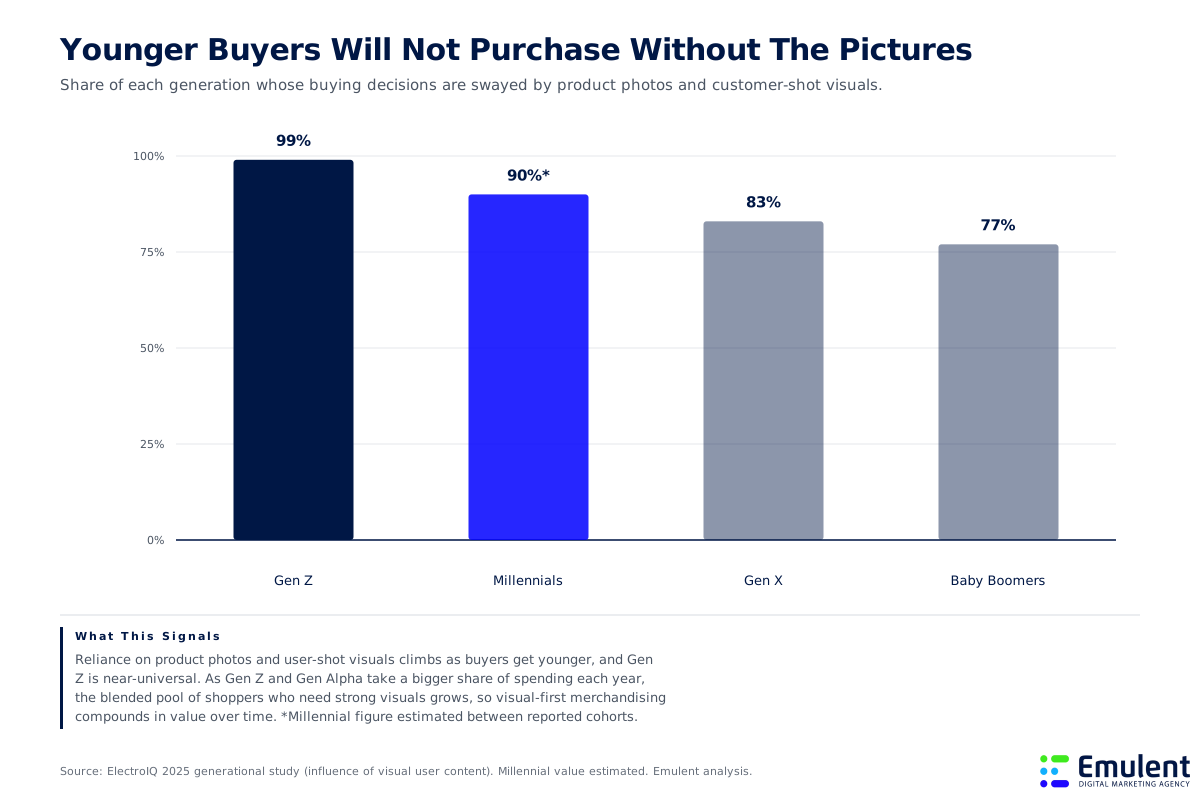
A product photo rarely stays on the product page. It travels to your ads, your email, your social feed, your decks, and your video. When each shoot is commissioned in isolation, those uses drift apart and the brand starts to look like several brands wearing the same logo. When imagery is planned as one visual system, every new asset reinforces the last, which is the core idea behind a cohesive look and voice. This is also where the long game lives. Younger buyers will not purchase without the pictures, and as they take a bigger share of spending each year, visual-first selling compounds in value.
- One art direction: a single set of lighting, color, and styling rules across every product.
- Reuse by design: shots planned to work on the page, in ads, and on social from day one.
- Built with the brand: photography shaped alongside your brand experience system and site, not bolted on after.
- A refresh cadence: a schedule to keep imagery current as products and seasons change.
– Emulent Strategy Team
Where Emulent Fits
Most brands do not have a photo problem. They have a coordination problem, where the pictures, the page, the phone experience, and the brand were each built by different people at different times. We connect those pieces, so your product photography pulls its weight on conversion instead of sitting there as decoration. If your images are not selling as hard as your products deserve, contact the Emulent team and we will help you build product photography and visual marketing that turns browsers into buyers.