
Video production pricing is hard to pin down. Ask three production companies what a two-minute brand video costs and you will get quotes from $2,000 to $20,000, and each one can be accurate. This guide breaks down corporate video production cost by format and by production phase, explains which decisions move the price, and shows you how to budget against the result a video needs to produce instead of the equipment used to make it.
Key takeaways from this guide:
- Per-minute pricing varies widely: A finished minute of video costs from $500 for simple social content to $25,000 for a brand film, and the range inside each category is wider than the difference between categories.
- The shoot takes about half the budget: Production takes 40 to 55 percent of a typical budget, post-production takes 25 to 35 percent, and pre-production takes 15 to 25 percent.
- Cutting planning costs more later: Skipped pre-production is the most common reason for reshoots and revision overruns, which cost more than the planning would have.
- Demand keeps prices steady: Global digital video ad spend grew from $158.8 billion in 2022 to a projected $236 billion in 2026, holding skilled crew rates firm even as AI tools lower entry-level costs.
- Adoption is high, returns are slipping: 91 percent of businesses now use video, but the share of marketers reporting good ROI fell from 93 percent to 82 percent in one year.
- Budget against the result: The brands seeing the best returns set their budget around the leads or revenue a video needs to drive, not around minutes and crew size.
What Does Corporate Video Production Cost in 2026?
The answer is a range, and the range is wide. Pricing data from Clutch, Vidico, and TriVision Studios puts corporate and training video at $1,000 to $10,000 per finished minute. Social media short-form content runs $500 to $3,000 per minute. Animated explainers cost $3,000 to $15,000 per minute because every frame is built from scratch. Brand films cost $8,000 to $25,000 per minute. Across all formats, the average agency video project comes in at $42,281 according to Clutch survey data.
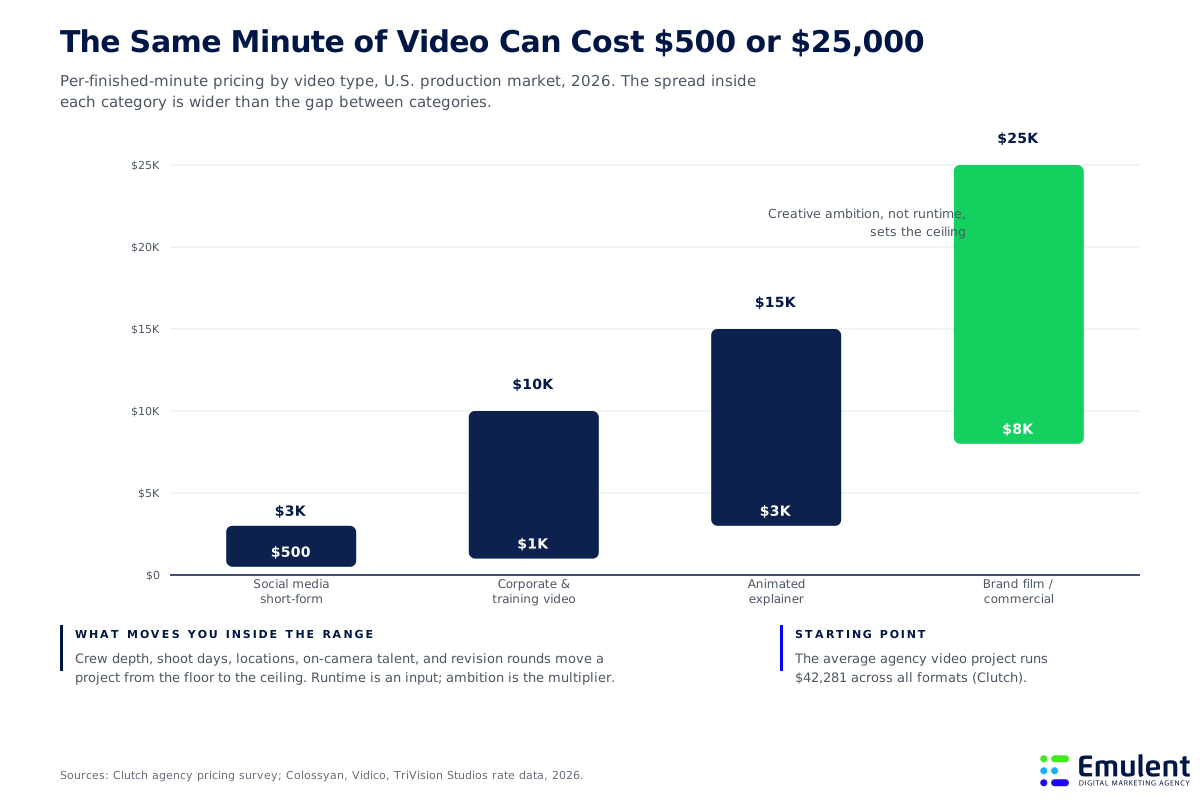
The chart shows something useful. The gap between the lowest and highest price within a single category is larger than the gap between categories. A corporate video can cost less than a social clip or more than an animated explainer depending on how it is made. So the format you choose matters less to your budget than the production decisions you make inside it, which is why the next step is to look at where the money goes phase by phase. For benchmarks on how brands are spending across video formats this year, our state of brand videography report tracks the full data set.
Where Does the Money Actually Go?
Every professional video project moves through three phases, and the budget split between them is consistent across the industry. Production, the shoot itself, takes 40 to 55 percent of the total. Post-production takes 25 to 35 percent, since one finished minute can require 10 to 20 hours of editing, color, sound design, and motion graphics. Pre-production takes the remaining 15 to 25 percent and covers strategy, scripting, storyboarding, casting, and location scouting.
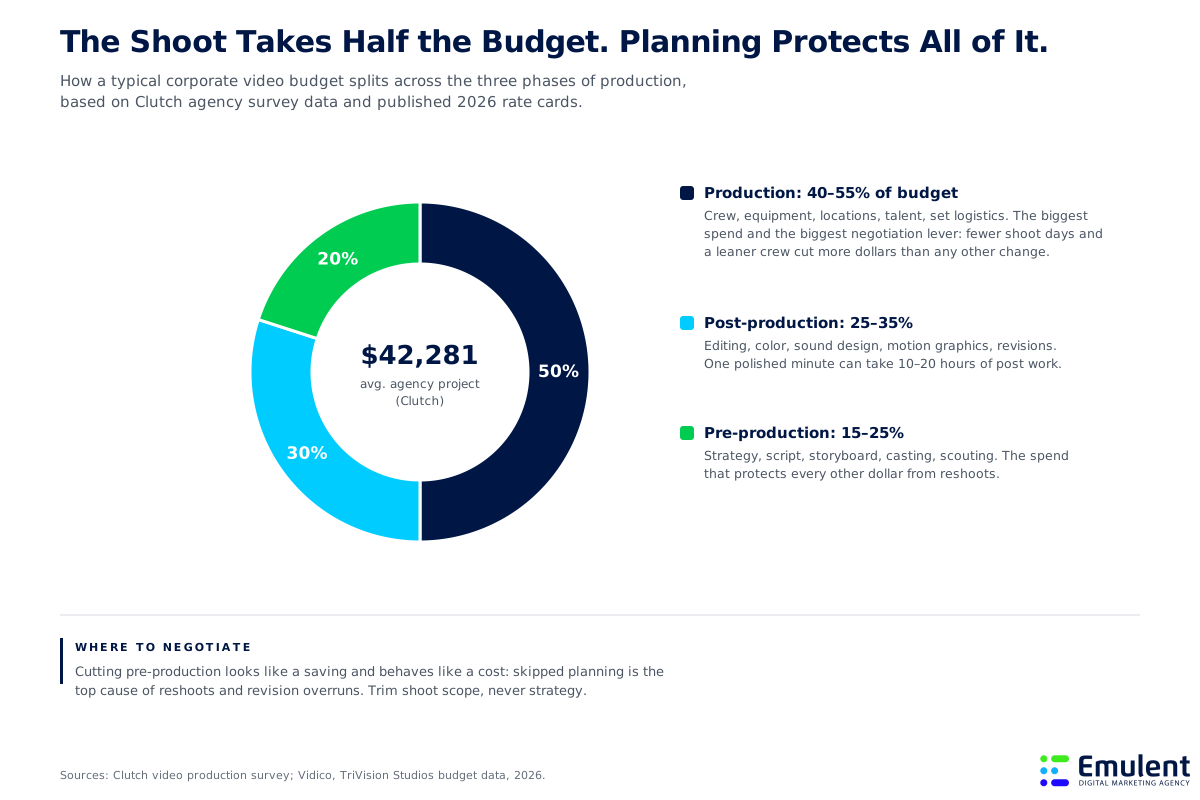
When a quote comes in high, the planning line is the first thing people want to trim, because it feels the least concrete. That is the wrong place to cut. Pre-production protects every other dollar. A project that skips proper planning usually costs more in the end because reshoots and revision rounds add up after the fact. When you need to reduce a budget, reduce shoot scope instead: fewer locations, a shorter shot list, a leaner crew day. Those cuts remove real cost without putting the rest of the budget at risk. To see how video spend fits inside your broader plan, our marketing budget benchmarks show what companies in your industry allocate across channels.
Spend on the script and the strategy before the shoot. The money you spend before the camera turns on is what keeps the post-production budget from running over. – Emulent Strategy Team
The phase split tells you where the money sits. The next question is which specific decisions move the total up or down.
Which Decisions Push Your Price Up or Down?
Production companies price from a short list of variables, and once you can name them, a quote becomes a set of choices instead of a guess. Runtime is only one input, and rarely the largest. The decisions below carry more weight than the length of the finished cut.
The cost drivers that move a video quote the most:
- Crew depth: A solo videographer and a crew with a director, cinematographer, and sound recordist produce different results at different day rates. Each added specialist raises the day rate but often shortens the shoot and improves the final product.
- Shoot days and locations: Every additional day and location adds crew time, travel, permits, and logistics. Combining several videos into one shoot day is the most effective way to lower the cost per video.
- On-camera talent: Internal subject-matter experts cost almost nothing. Professional actors carry fees, and union talent adds usage rights on top of those fees.
- Animation and motion graphics: Custom animation is built frame by frame, which is why explainer videos cost more than live action of the same length.
- Revision rounds: Revisions are always billed somewhere. Locking the script and storyboard before the shoot keeps post-production hours predictable.
- Versioning: One main cut plus six social cutdowns, vertical crops, and caption variants adds editing and review hours, though it gets more value from a single shoot than one video would.
- Timeline pressure: Rush deadlines trigger overtime and premium rates across every phase.
Each of these levers trades money for quality or speed, and a good production partner will show you the trade clearly. What these levers do not explain is why prices have stayed firm in a year when AI tools made video creation much cheaper. That answer is on the demand side.
Why Aren’t Prices Falling When AI Makes Video Cheaper?
AI video tools have lowered the cost of entry-level content. Talking-head training clips and templated social posts can now be made for a fraction of their 2023 cost. Even so, quotes for skilled crews and senior creative work have held steady, and the reason is demand. Statista data shows global digital video ad spend rising from $158.8 billion in 2022 to $191.4 billion in 2024 and an estimated $207.5 billion in 2025, with projections reaching $236 billion in 2026 and more than $268 billion by 2029.
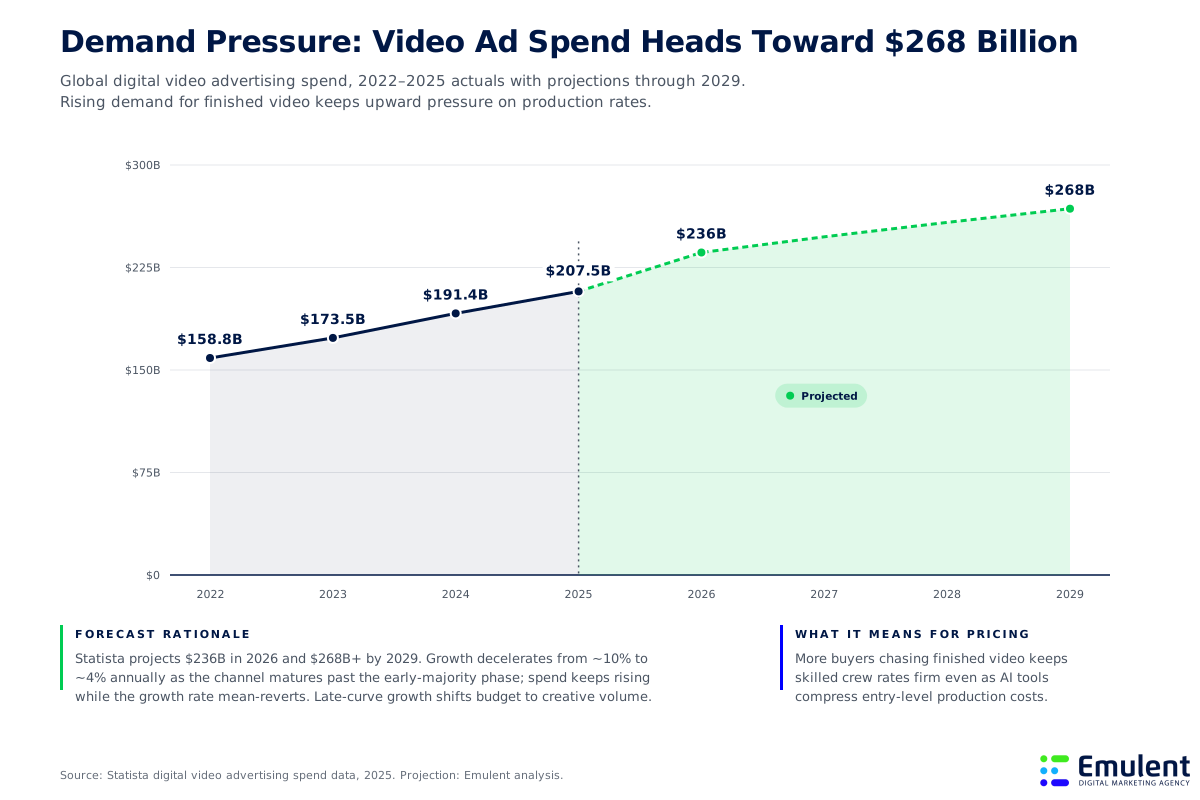
More ad dollars going into video means more finished assets competing in every feed, which raises the quality bar rather than lowering it. The market is splitting into two tiers. Commodity content keeps getting cheaper to make and harder to notice. Well-made brand work keeps its price because it is the tier that still earns attention. Buyers who treat the two tiers as the same thing pay commodity prices for commodity results, then wonder why the video did not perform. That performance gap shows up clearly in the ROI data.
AI lowered the cost of producing a video. It did not lower the cost of producing something people pay attention to. That second cost is where brand video budgets should go. – Emulent Strategy Team
Should You Price the Video or the Result It Has to Drive?
Wyzowl’s twelve years of survey data show video adoption rising from 61 percent of businesses in 2016 to 91 percent in 2026, a standard adoption curve that has now reached its ceiling. The number that matters more for your budget is this: in the same 2026 survey, the share of marketers saying video delivers good ROI fell from 93 percent to 82 percent. Almost everyone is making video. Fewer are making video that works.
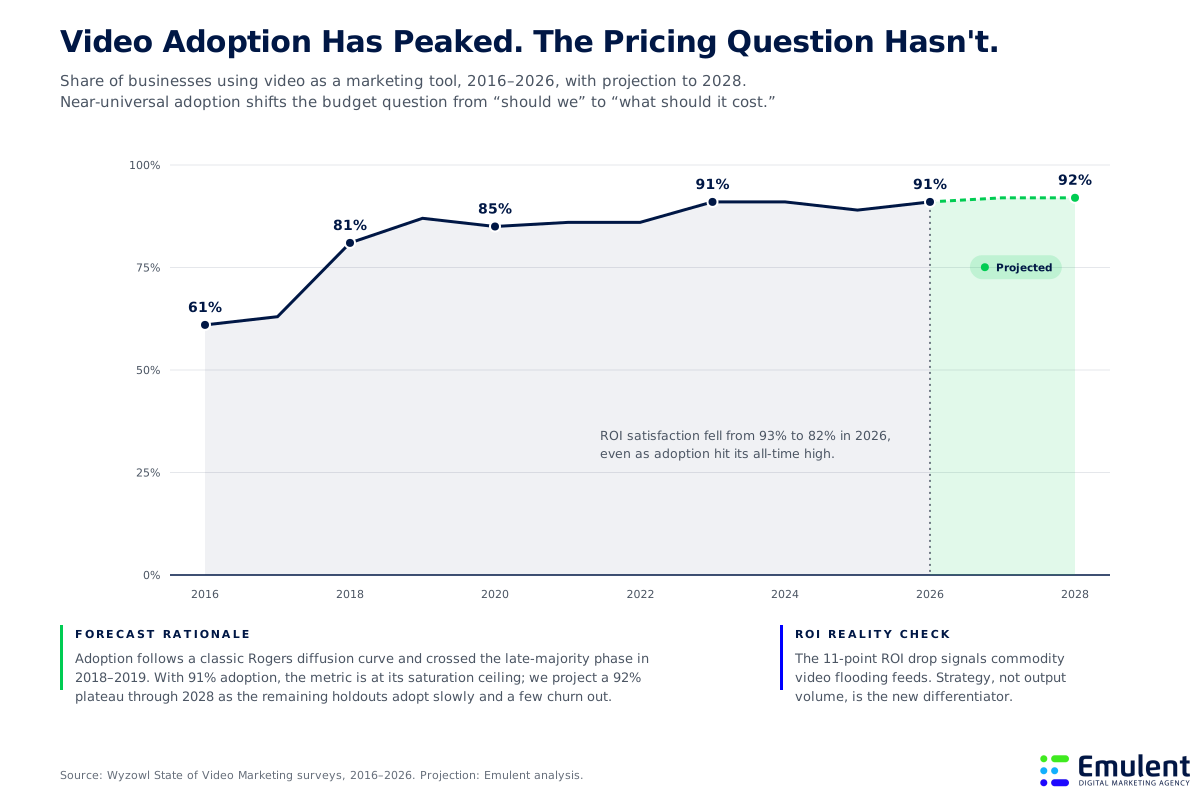
That eleven-point drop is what happens when you price video by its inputs. A production company bills for cameras, crew, and edit hours, so buyers learn to compare quotes on cameras, crew, and edit hours. A marketing-led videographer prices against the job the video has to do: the leads it should generate and the deals it should help close. This is the same standard we hold websites to. A beautiful website that does not convert is expensive art, and a video that wins awards but does not move a customer is the same problem in a different format. A modest video built on a clear understanding of what your audience wants can outperform a production three times its cost. Spend on understanding the audience and the message before you spend on equipment, because the equipment shows up in the invoice and the audience understanding shows up in the results.
Set the budget around the result, not the runtime. Runtime and crew size are inputs. The job of the video is to move your audience to act, and that is what the budget should be built around. – Emulent Strategy Team
Pricing against results raises one more question: who is better placed to deliver them, an in-house senior team or a rotating set of outsourced crews?
Does an In-House Senior Team or an Outsourced Crew Protect Your Budget Better?
Many agencies quote low video rates because they subcontract the work to whichever freelance crew is available that month. The line-item price looks fine. The hidden cost appears over time: every new crew learns your brand from scratch, and the story shifts a little with each handoff. Video is the most expensive place for that to happen, because audiences notice tone changes in video faster than in any other format. This is why we keep video production in-house, and why our brand videography services are delivered by senior in-house creatives who carry your brand story from the first project to the fiftieth. When the same team that shaped your positioning also frames your shots, every asset reinforces the last one, which is the approach we describe in building a brand through every interaction. Over a multi-year content program, that consistency is worth more than any single line-item discount.
Ready to Budget Your Next Brand Video with Confidence?
The Emulent team plans, prices, and produces brand video the way this guide describes: strategy first, senior creatives throughout, and every budget line tied to the result the video needs to drive. If you are scoping a project and want a quote you can understand, or a second opinion on one you already have, talk to a digital marketing consultant on our team about your brand videography goals.