
Every brand has a story worth telling. We helped write these.
The results we’ve delivered for our clients






A Few Recent Design Projects



Recent Results & Client Stories
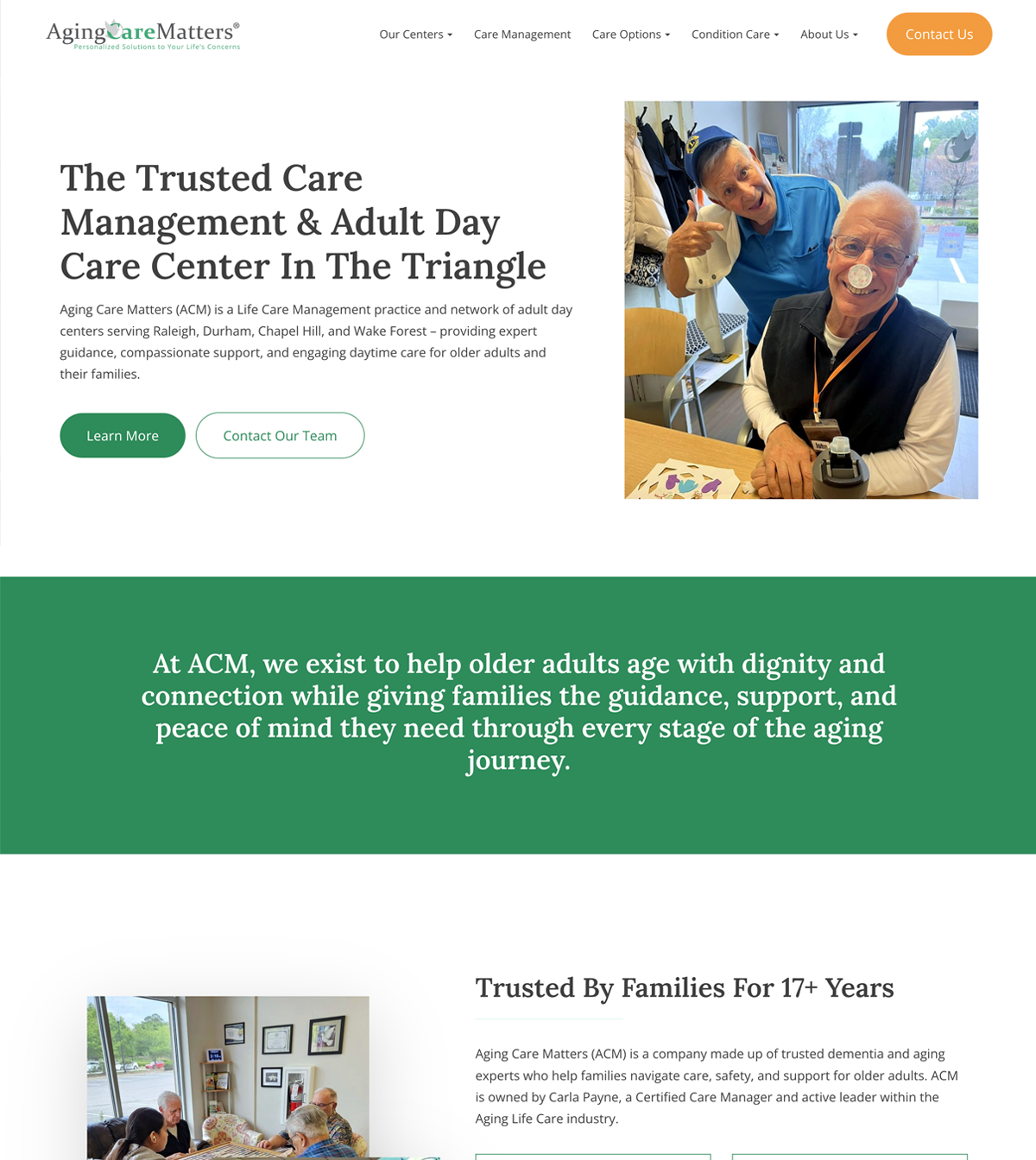
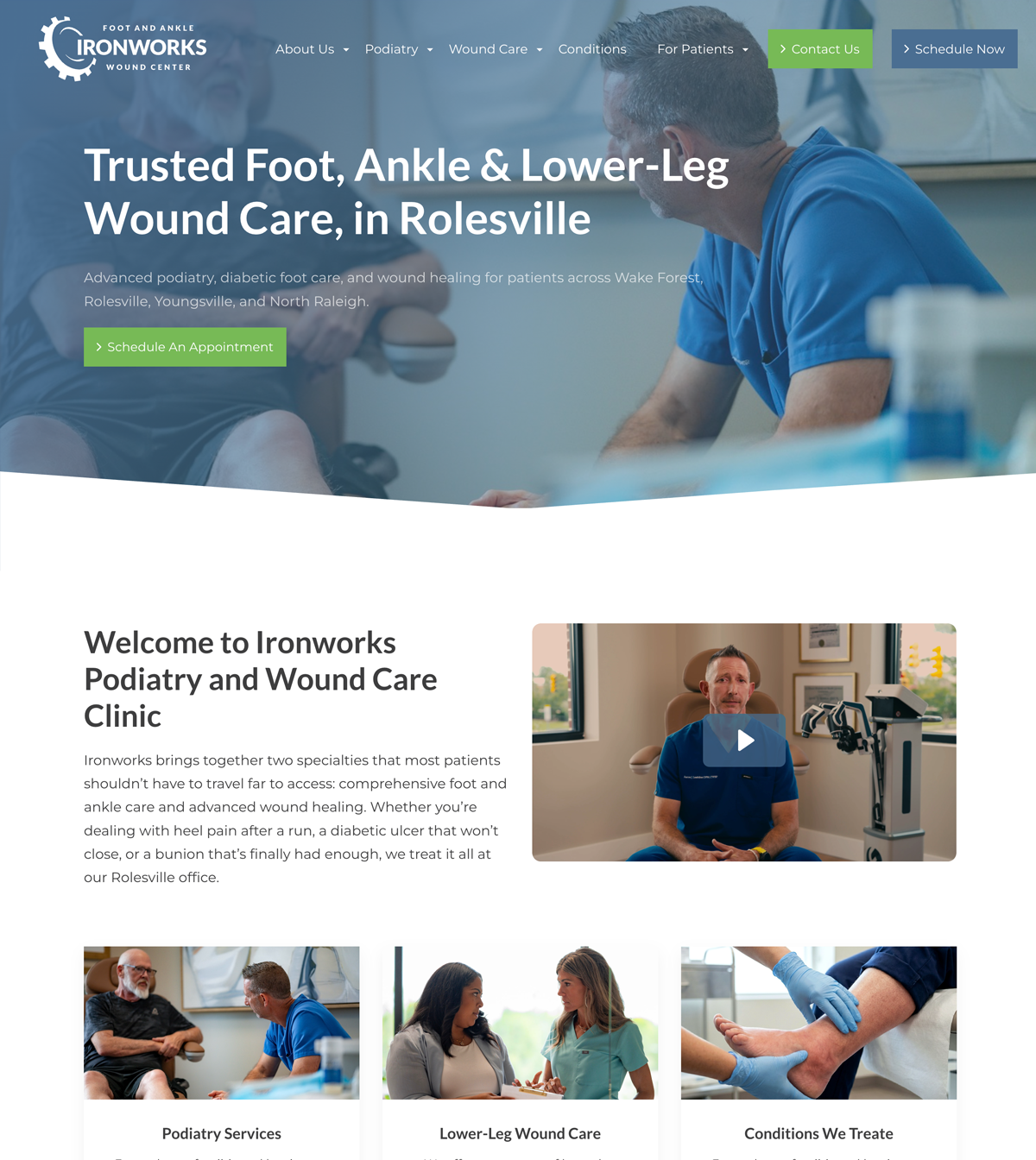
A Website and Local Presence That Match the Care Aging Care Matters Delivers
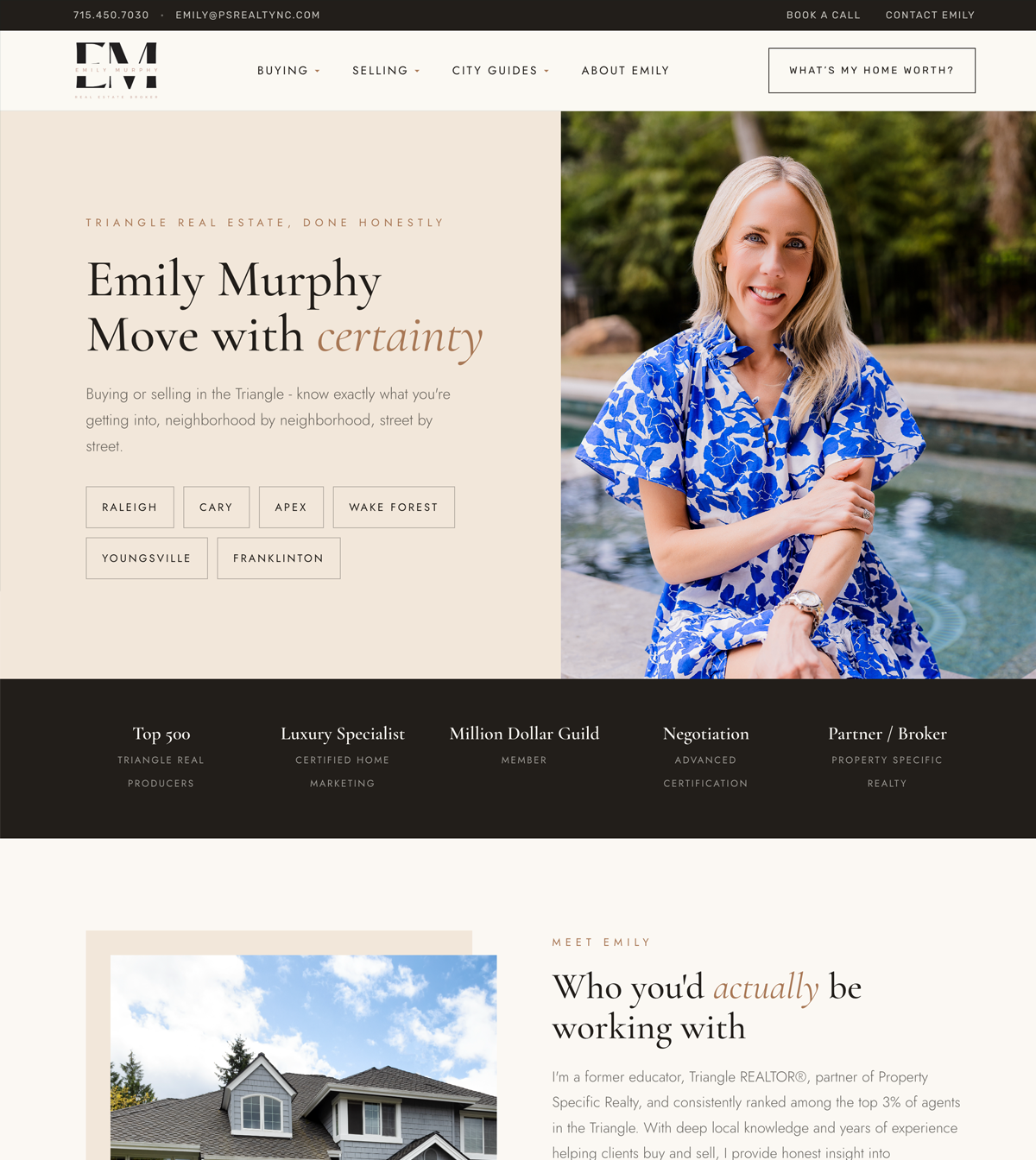
Aging Care Matters is a Life Care Management practice and network of adult day centers serving Raleigh, Durham, Chapel Hill, and Wake Forest — providing expert guidance, compassionate support, and engaging daytime care for older adults and their families. Families researching aging care couldn’t find the practice, and the existing web presence didn’t reflect the expertise behind it. ACM needed a website that earns trust at first glance and the local visibility to reach Triangle families when they start looking for help.
Read the Full StoryEmulent didn’t just design my website. They became a strategic partner.
They handled local SEO & Google Maps, content strategy, keyword research, website design, and brand strategy for our Triangle business, and the biggest win was meaningful growth for our business. Their team is creative, knowledgeable, and genuinely invested — we’d recommend them to anyone. 5 STARS!!
Owner, Aging Care Matters, LLC
Transforming a Specialized Construction Company into a Lead Generation Machine
DeVooght House Lifters is a construction company that specializes in house lifting, moving, and foundation repair. They work with homeowners who need to raise their homes for flood protection, fix foundations, or move their houses within the area. DeVooght House Lifters wanted to boost their online presence and attract more qualified leads. Their website was not ranking well in search results, so they were not getting enough visitors or new business.
Bill and the team are extremely responsive and easy to work with.
They made the website redesign process easy and have measurably improved our company’s online presence. We have seen a 120% increase in qualified leads, and a 200% increase in Google organic traffic.
Owner, DeVooght House Lifters
Turning Complex Pharmaceutical Services into Clean Digital Experiences
Orsini is a national specialty pharmacy that supports patients with complex, long-term health conditions. They offer personalized clinical care, help with medication management, and a range of support programs for people taking specialty medications. Orsini needed a reliable digital partner who could build effective websites quickly and work well with different teams across their organization, making complex pharmaceutical ideas easy to understand on a professional website.
Read the Full StoryI’ve partnered with Bill/Emulent on multiple projects across different companies, and he always delivers.
He’s responsive, great to collaborate with, and has a real knack for turning our ideas into fully functional websites. His team keeps things simple and efficient, focusing on clean execution and a smooth process from start to finish.
Senior Director of Marketing, Orsini Pharma
Scaling a National Hair Restoration Franchise Across 120+ Local Markets
HairClub is a top hair restoration and replacement company with more than 120 locations in the United States, providing hair transplants, non-surgical replacement systems, and hair loss treatments for both men and women. HairClub.com wanted to improve their national SEO strategy and bring more people into each of their 120+ franchise locations. Their Google Business Profiles needed work, and they did not have a unified local SEO plan across all locations.
Emulent helped our 120+ location franchise increase our Google Maps listings by 32% and grow our local SEO traffic by 110%.
They conducted a local and national SEO audit, and provided a local SEO growth strategy, regional landing page strategy, local content creation, and a local photo acquisition strategy for our Google Business Profile pages.
Marketing Director, HairClub.com
Breaking a Global Life Sciences CMO into the American Market
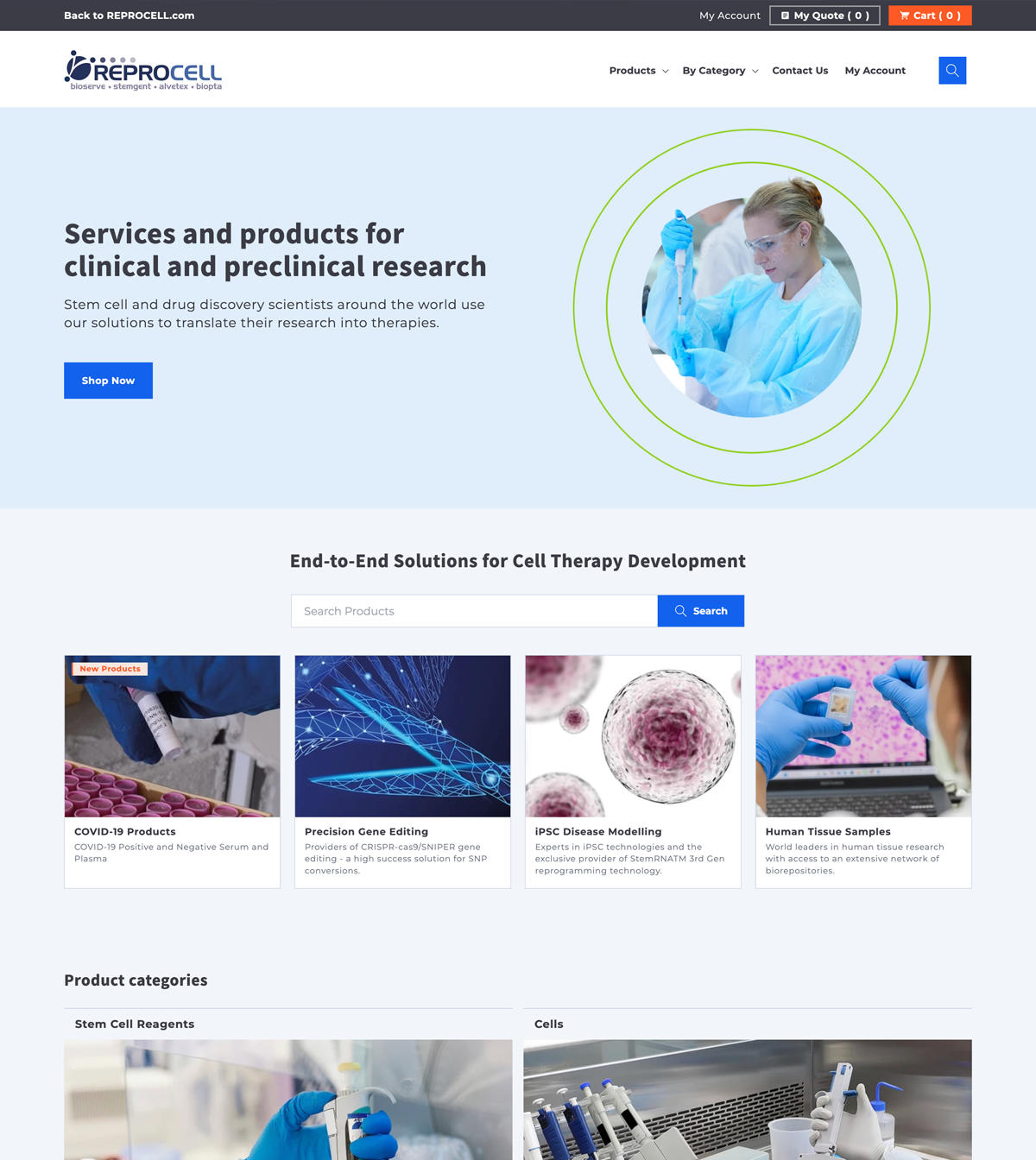
Reprocell is a contract manufacturing organization from the UK that works globally, specializing in stem cell research, tissue engineering, and drug discovery for pharmaceutical and biotech companies worldwide. Reprocell wanted to expand into the US market, but their products and services were not appearing in Google search results for US users.
Emulent is the gold standard in search engine optimization. We had a 124% increase in organic blog reach, 263% increase in organic traffic, and 157% increase in product page traffic.
Thanks to their guidance, we have seen a dramatic increase in organic website traffic and inquiries. Bill has a comprehensive technical understanding of SEO and was able to explain these complicated topics to our team no matter their level of experience.
Marketing Manager, Reprocell
Navigating Complex Government Stakeholders to Deliver for a Defense Contractor
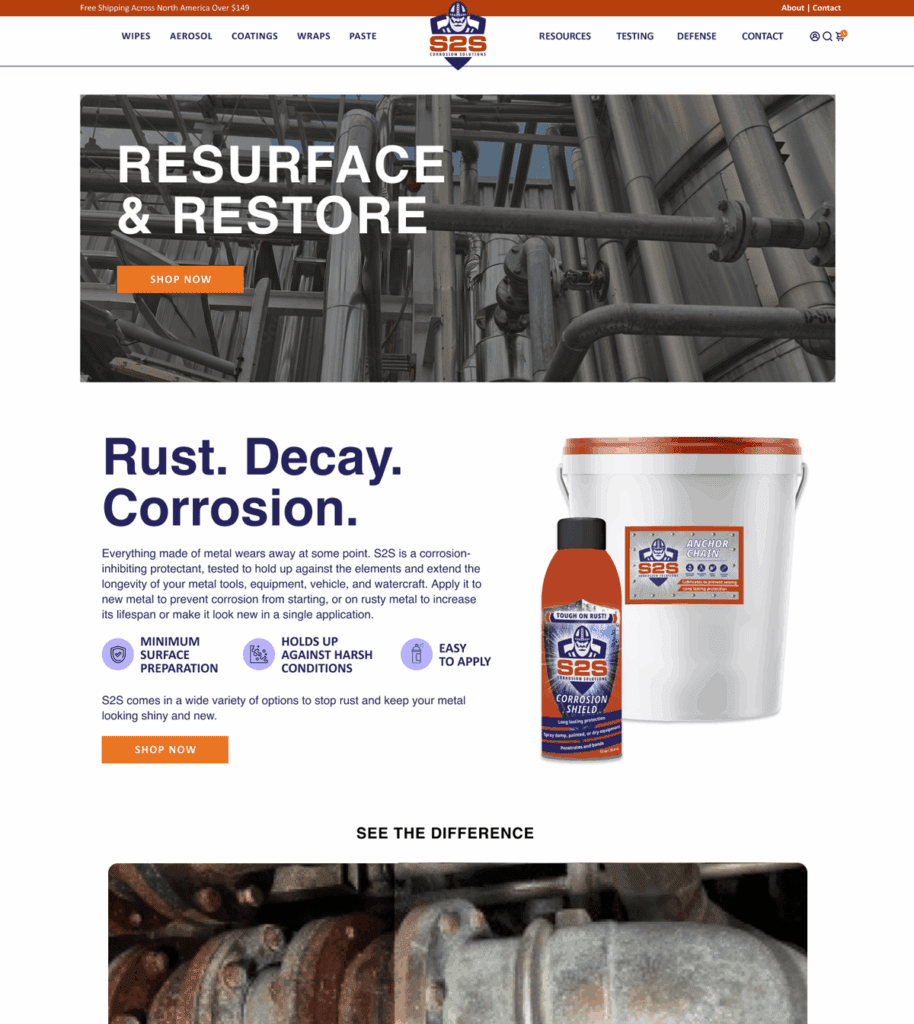
S2S is a government services and defense contracting company that offers specialized corrosion control solutions to federal agencies. S2S needed to build their website while working with many stakeholders across the company. They were looking for a partner with industry experience who could handle complex dynamics and keep the project moving smoothly.
Read the Full StoryTheir team has been a pleasure to work with.
They interacted with multiple stakeholders within our organization seamlessly, brought a wealth of industry experience, and were never a bottleneck in our development process. We’re very happy with the final product!
Senior Program Management Analyst
Delivering Enterprise Pharmaceutical Marketing Results to Rebuild a Life Science Brand
LubrizolCDMO is a global contract development and manufacturing organization focused on advanced drug delivery solutions, pharmaceutical development, and manufacturing services for biotech and pharmaceutical companies around the world. LubrizolCDMO needed a stronger digital presence to stand out in a crowded market. Their website did not show the full range of their capabilities and was not attracting the organic search traffic their brand deserved.
We get great and consistent SEO results from using Emulent. We’ve increased leads by over 37%, and 110% increase in blog traffic.
Bill and his team are intellectually generous and explain the steps we take together in a way that makes sense. Their website services make it as painless as possible to make a new site and keep it up to date.
CMO, Lubrizol CDMO
Driving Organic Lead Growth for a Financial Services Partner
UCFS offers lending solutions and support services to merchants, providing reliable financial products that help clients reach their goals. UCFS needed a digital partner to support their website and improve SEO results, a team that could offer guidance and deliver real growth in organic lead generation.
I’m thankful to have found Emulent. We’ve increased organic leads by over 40%.
Excellent guidance and work product!
Marketing Manager, UCFS
Building a Unified Brand Identity for a Global Pharmaceutical CDMO After Acquisition
Agno Pharma is a global company offering contract development and manufacturing services for the pharmaceutical industry. Agno Pharma was acquiring a US-based CDMO and needed a brand refresh to represent the new, combined company, including website design, branding, logo design, SEO, and content creation.
We are incredibly grateful for Bill and his team. Their expertise has been instrumental in our growth.
From designing our website and logo to optimizing our SEO and creating compelling blog content, Bill takes the time to truly understand our brand, ensuring every project reflects our vision. We would not go anywhere else.
Marketing Lead, Agno Pharma
Delivering Results for a Medical Billing Company After Years of Failed Vendors
Larsen Billing works with healthcare providers to improve how they manage revenue, providing billing, coding, and practice management services for medical practices. Larsen Billing had tried several website and SEO projects with other vendors, but none were successful. They struggled to get enough organic traffic and qualified leads to grow their business.
Within just a few short months of working with Bill, he was able to transform our online presence and increased our organic traffic by 138%.
After many failed website and SEO projects over the years, I was determined to find someone who could actually deliver. Bill is that person, we started seeing high-quality leads a few weeks after our new site launched.
Owner, Larsen Medical Billing
Migrating a Complex Automotive eCommerce Store to Shopify Without Losing Sales
IND Distribution is an online retailer offering a wide range of aftermarket automotive parts and accessories, with thousands of performance parts, replacement components, and car accessories. IND Distribution needed to move their aftermarket product store to Shopify while maintaining their current traffic and sales during the transition, with ongoing support to make the most of the new platform.
Outstanding experience with the Shopify website migration and long-term support.
Bill’s expertise in SEO instantly saw our site traffic increase by +155%, sales grow by +673%, and search rankings increase significantly and maintain a very high level.
GM, IND Distribution
Helping a Local Pest Control Company Escape Vendor Lock-In and Take Back Ownership
Wake Pest is a pest control company based in Wake County, North Carolina, offering pest management services for homes and businesses. Wake Pest was stuck with a popular home services marketing vendor who controlled their website on a system they didn’t own. They couldn’t make updates or changes, and needed to regain control while boosting their local marketing results.
It feels like a true partnership rather than a vendor relationship.
Bill is incredibly responsive and genuinely easy to work with, many times he’s implemented suggestions the very same day. Beyond the great communication, we’ve seen real results, including improved search visibility and a website that performs better and is easier to manage.
Owner, Wake Pest
Transforming an eCommerce Product Photography Company’s Digital Presence
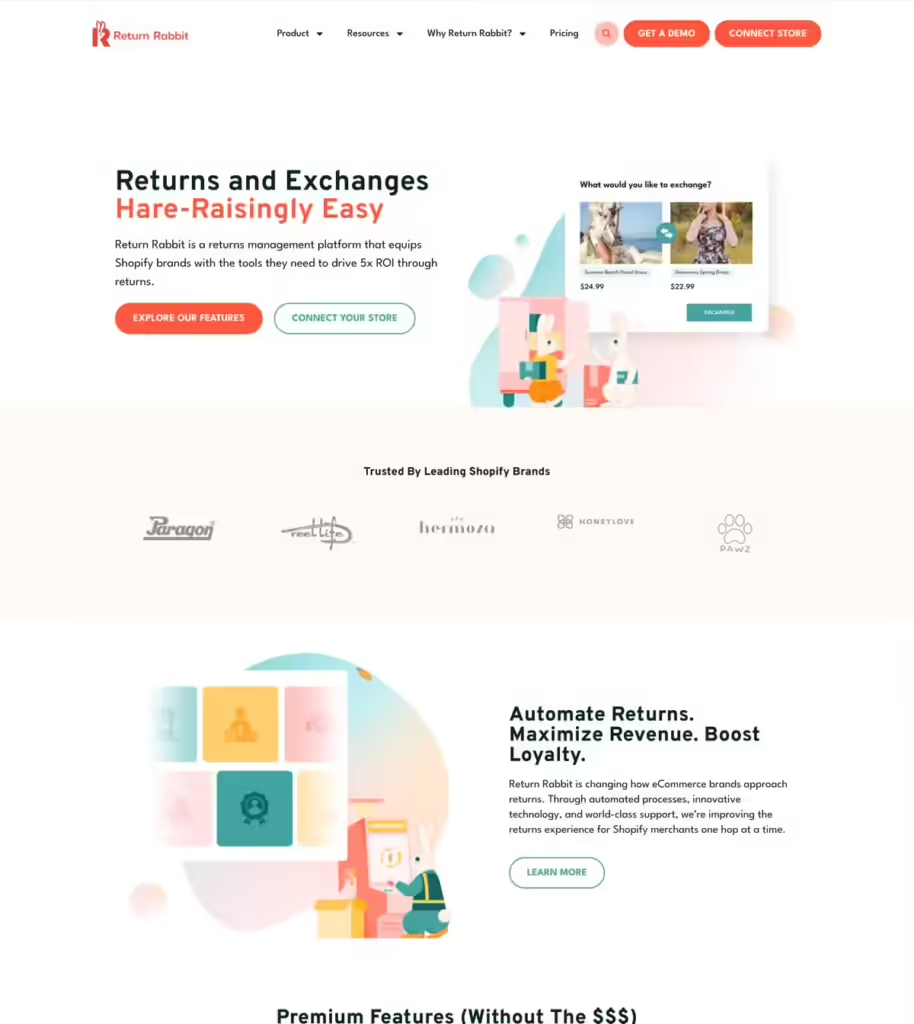
Snap36, now known as 1WorldSync, specialized in product photography and 360-degree imaging, helping eCommerce brands create eye-catching visual content. Snap36 needed a full digital transformation, website redesign, an interactive trade show booth, ongoing maintenance, and an SEO strategy to attract more qualified leads.
The only way to describe our experience with Emulent is incredible. We’ve had a 62% increase in website leads.
They’ve been so patient with all of our needs and have fully executed all of them. The SEO work, complete website redesign and upkeep, and customer service have all been phenomenal.
Marketing, Snap36
Driving Product Visibility for a Medical Equipment Company
Altus Medical Equipment supplies essential medical devices and equipment to hospitals, clinics, and other healthcare providers. Altus wanted to boost their website’s visibility and attract more visitors to their product pages.
In the time I’ve worked with Bill, we’ve tripled the organic traffic to our site.
I’ve worked with him at two companies, and he’s been so flexible in helping us with exactly what we needed and keeping the cost within our budget.
Marketing Director, Altus Inc.
Guiding an Enterprise Supply Chain Software Company Through a Complete Website Redesign
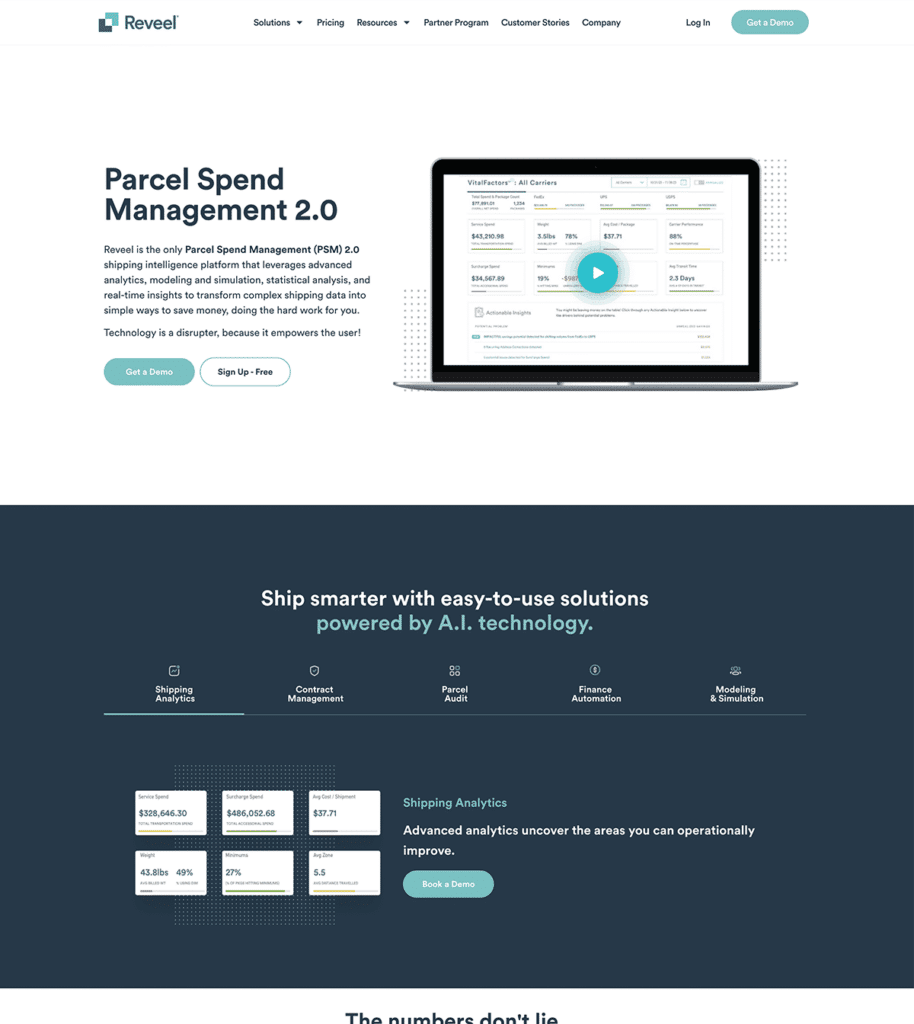
LLamasoft (now part of Coupa Software) was an enterprise supply chain analytics and design software company. They needed a true SEO partner to guide them through a complete website redesign. Their internal team lacked SEO expertise and needed detailed guidance throughout the redesign and relaunch process.
A month post-launch, we increased traffic by 7% and demo requests by 50%.
We evaluated a few firms, but none were as knowledgeable and flexible as their team. Without Bill’s detailed help and suggestions, we would never have achieved the success we are having with our new site.
Senior Product Manager, LLamasoft (now Coupa)
Becoming the Trusted White-Label SEO Partner Behind a Marketing Agency’s Client Success
Merithot Creative is a marketing agency providing branding, design, and digital marketing services, partnering with clients on brand identities and marketing strategies. They needed a reliable white-label SEO partner to support their clients’ website launches and ongoing improvements, someone who truly cared about their clients’ success.
Read the Full StoryEmulent has been an instrumental partner.
They’ve helped us create cornerstone content that has translated to big gains in organic traffic. We’ve worked with several firms for SEO and content services, but none cared about our clients’ success as much as Emulent.
Owner, Merithot Creative Agency
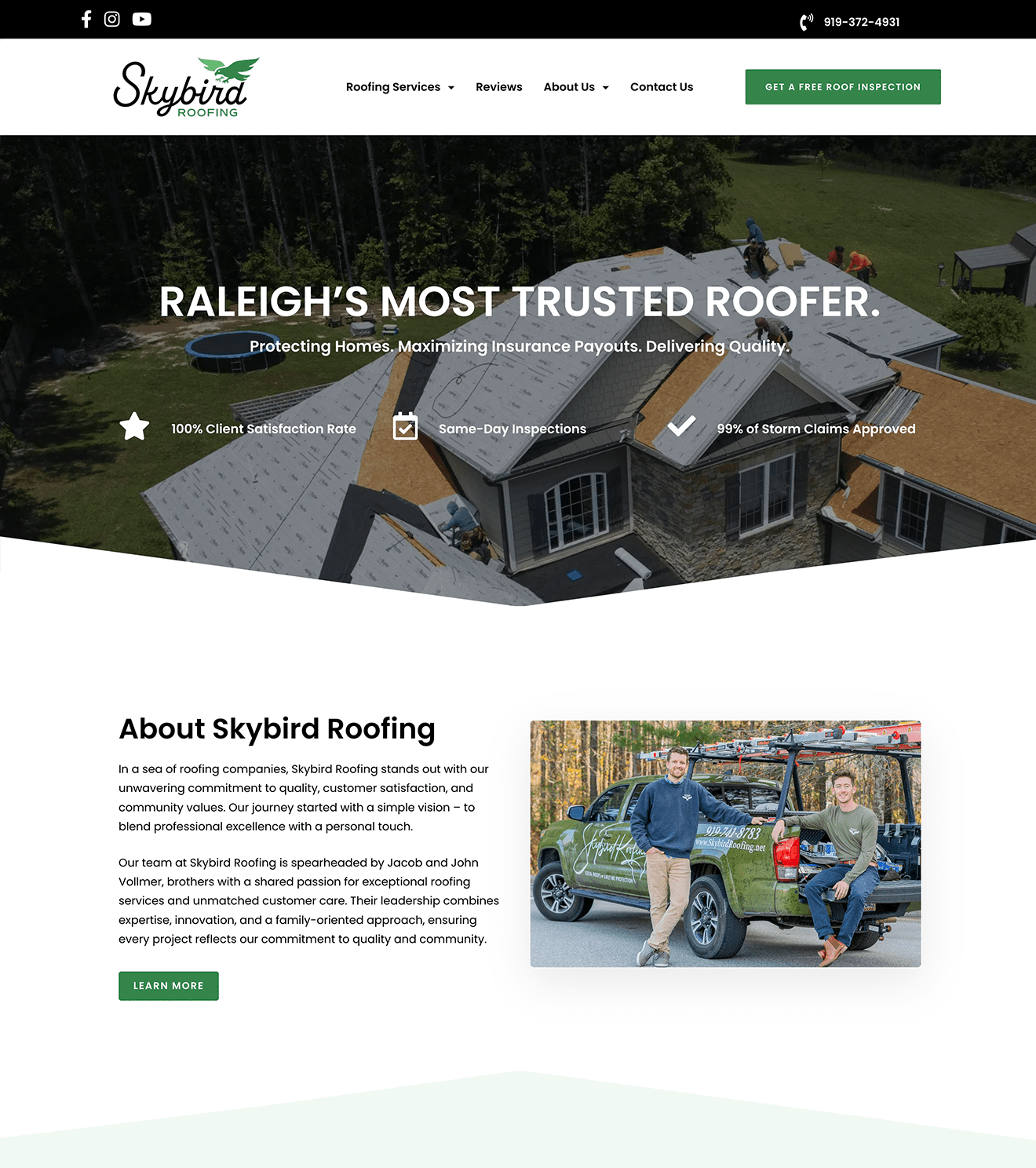
Rebuilding a Garage Door Company’s Website on an Optimized WordPress Framework to Unlock Local SEO Growth
RJ Garage Door Service is a locally owned garage door company providing residential and commercial garage door repair, installation, and maintenance services. Their site’s poorly coded WordPress framework created technical bloat, slow load times, and made even simple content updates a headache. They needed a clean, optimized foundation to support growth and compete in local search.
Consistent, compounding growth in organic visibility.
Rather than working around a broken foundation, we rebuilt it, and the rankings followed.
Charlotte, NC
Mastering Pharmaceutical Jargon to Rebuild a Regulatory Consulting Firm’s Digital Presence
Camargo Pharmaceuticals (now part of Premier Research) was a regulatory consulting firm specializing in the 505(b)(2) drug development pathway. They needed a complete website redesign but faced challenges local and national firms couldn’t address, highly technical pharmaceutical jargon, blog integration, a brand refresh, and CRM form integration.
We can’t recommend them highly enough. We had a 152% increase in website leads, and a 29% increase in organic traffic.
Bill quickly learned the nuances of our technical jargon and seamlessly generated web content. They met every need we had, redesign, blog integration, brand update, and forms-CRM assimilation. Bill and his team exceeded our expectations.
Marketing Director, Camargo (now Premier Research)
Helping a Charlotte-Based Garage Door Company Escape a Bad Platform and Double Their Search Visibility
Garage Door and More is a family-owned garage door company based in Charlotte, NC, serving the greater Charlotte metro including Indian Trail, Matthews, Mint Hill, and Huntersville. They were stuck on a poorly coded WordPress framework managed by a nationally recognized agency that was hurting their brand and search performance. They needed to break free, take ownership, and rebuild on a clean foundation.
Double the search visibility, on a foundation they finally own.
Breaking free from vendor lock-in gave them control of their digital presence and unlocked local SEO growth across the metro.
Charlotte, NC
More Kind Words from Clients and Partners
I highly recommend Emulent!
Bill is very responsive and super helpful. Anytime I need a change or update, I’m impressed by how quickly he can assist and complete the job perfectly. Our company has been working with him for several years, and we are all very happy.
Program Director, Greektown Chicago
Bill is great to work with, and a very knowledgeable SEO expert.
Two things set him apart: Bill can speak from experience on nearly any SEO project, and he truly understands the big-picture role of SEO alongside content strategy, UX, and other marketing channels.
Director of SEO, Mindshare
In a world where customer service is dead, Bill’s team restored my faith in what it means to understand your customer.
I was at a standstill with my new blog and needed that extra push to make it a success. Bill listened to what I wanted, knew exactly what I needed, and helped launch the blog to the next level.
HGTV
Bill found the needle in a field of haystacks.
Our site recovered its #1 organic search position on our most important keyword and the bleeding stopped. There is a lot of snake oil in SEO, Bill doesn’t sell snake oil; he just has the best SEO sense I’ve ever met.
VP of eCommerce
Bill is really easy to work with!
He is responsive, explains things well, and is a great problem solver. He created a beautiful and functional website for me. I would highly recommend him and his work.
Owner, Tumbleweed Travel Co.
I’d recommend Bill to anybody trying to solve the complexities of SEO.
His custom and personalized approach is why I keep working with him. He understands each project is different and provides custom solutions based on the customer’s objectives.
VP of Technology, World Book
Bill was very communicative and responsive to questions and comments about the process.
He went above and beyond to ensure that he delivered on what was agreed upon.
Co-founder, Joshin.com
You can tell Bill really cares about his clients and producing a good product.
In helping us launch our blog, Bill was strategic about the overall vision and tactical enough to suggest minor enhancements. He was extremely responsive and proactive every step of the way.
Chicago Ventures
He is smart and very, very hard working.
I worked with Bill for several years and was always impressed with his technical know-how combined with his easy-going style. He cares about his work and holds himself to a very high standard.
Demand Gen Marketing, Intellistack
Ready for a story like these?
Real results, reported in leads, sales, and revenue, not vanity metrics.
Let’s Talk