Skip links

How Hiring The Correct SEO Agency Can Boost ROI For In-House Marketers

Author: Bill Ross | Reading Time: 7 minutes | Published: April 22, 2026 | Updated: April 22, 2026

Emulent
Your quarterly reviews ask the same question in different words every cycle: what did marketing return on what marketing spent? You know the math, you build the reports, and you feel the pressure of that number every Monday. How SEO agencies boost ROI for in-house marketers is a capacity and expertise question more than a budget question. The work the agency takes on is the work your team does not have time to ship. The expertise they bring in is what would take two years to hire for. The highest-returning partnerships multiply what your team already does well, and this article breaks down how.

Key takeaways from this article:

  • Capacity is the hidden ROI killer: The work you cannot fit into the week is the ranking, lead, and revenue you are not capturing.
  • Division of labor drives returns: Agencies should handle specialized and time-intensive work while your team keeps strategy and brand ownership.
  • Agency ROI can be measured directly: Scoped outcomes tied to named pages, topics, or technical fixes produce clean attribution.
  • The internal case is a growth case: framing the agency as a multiplier rather than a backfill changes how leadership reads the budget request.
  • Senior-led work outperforms junior teams: The people actually on your account matter more than the agency’s logo or pitch deck.

Where Is The Real Cost Of Your Current Capacity Ceiling?

Keeping SEO entirely in-house feels cheaper until you count what your team never got to. The content calendar slipped two quarters. The technical audit sat in a project ticket for eight months. The product pages were never optimized because the launch took priority. Those gaps are costly. Each one is a competitor in the search results, capturing revenue that should have been yours.

01 Close Rate Comparison Emulent

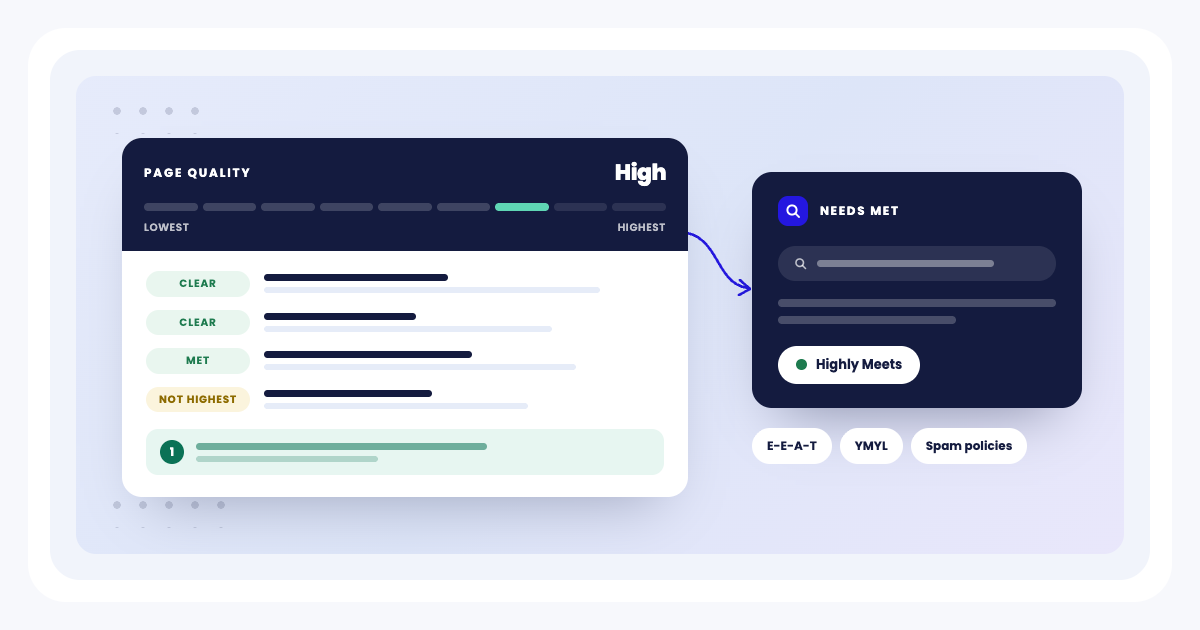
The numbers from enterprise SEO research are not subtle. Organic leads close at around 14.6% while outbound leads close at 1.7%. ROI from strong SEO programs can reach 12x marketing spend. Those returns only apply to the work you actually ship. A page that takes nine months to publish instead of two costs you eight months of lost rankings and the revenue that rides with them.
02 Inhouse Capacity Ceiling Emulent
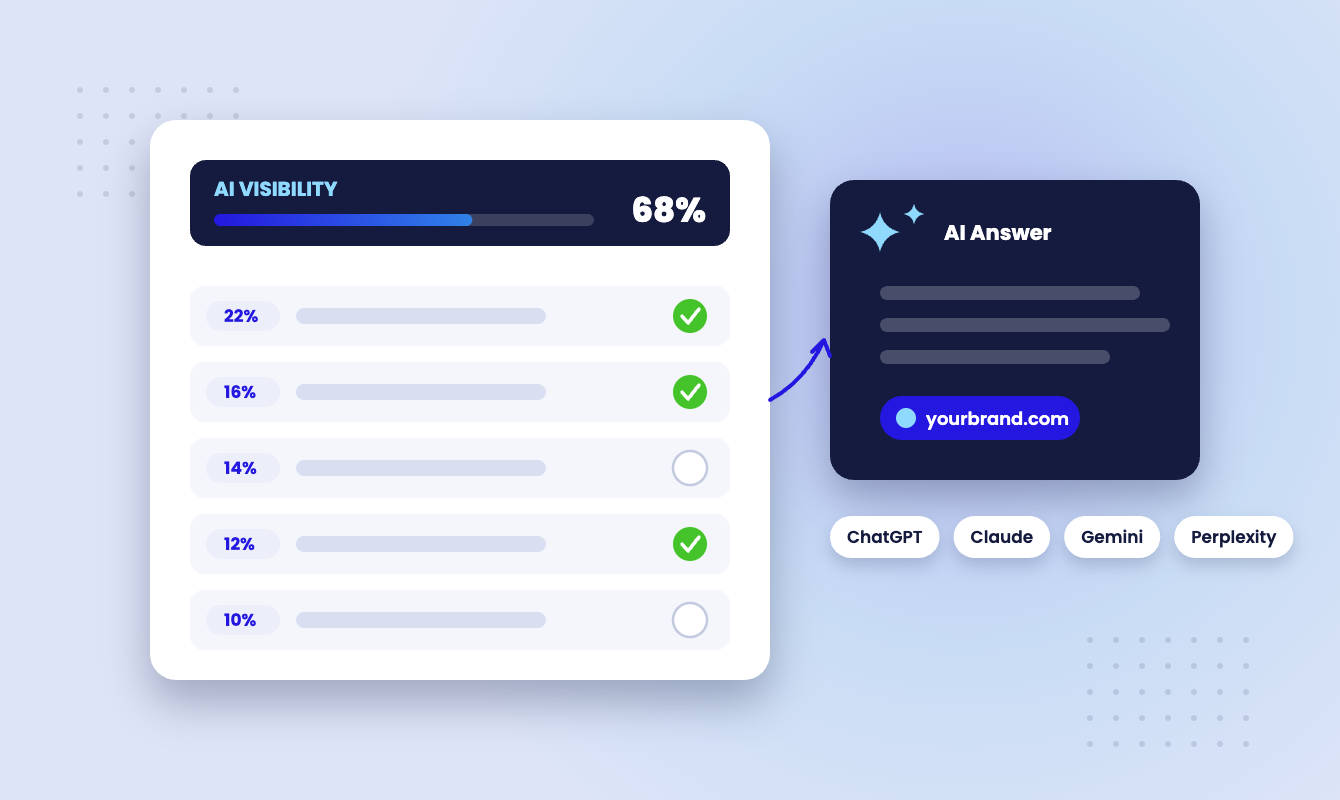
In-house marketing teams almost never fail at knowing what to do. They fail at getting to it. A single hire can cover roughly 30 hours of useful execution per week after accounting for meetings, reporting, and internal requests. A specialized SEO engagement can deliver 5 -10x that output because it removes the meeting overhead and the context-switching tax. Across 20 years of client work, the pattern is consistent: the teams that moved fastest were the ones that split the work, not the ones that hired a second internal generalist.

“Most in-house marketers we talk to are not short on ideas. They are short on the hours to execute the ideas they already have. The agency’s job is to unblock the strategy already sitting in their backlog, which is where most ROI actually comes from.” – Emulent Strategy Team

Once you accept that capacity is the ceiling, the next question becomes which work your team should release and which it should protect.

Which Agency Capabilities Actually Compound Your Team’s Work?

Not every agency service produces ROI. Some services substitute for work you already do well, adding cost without increasing output. The services that compound sit outside your team’s practical reach. Three categories matter.

Specialized expertise your team cannot practically hire for:

  • Technical SEO at enterprise scale: Site architecture, crawl budget management, schema implementation, and migration planning require depth that takes years to build. Hiring one technical SEO and asking them to handle a 50,000-page site is a losing trade.
  • AI search optimization: The rules for ranking inside ChatGPT, Google’s AI Overviews, and Perplexity are still being written. Agencies running multiple AI SEO programs see the patterns faster than any single in-house team can.
  • Penalty recovery and migration protection: These are rare events with permanent consequences. Paying for expertise when you need it beats hiring for it on standby.

Execution capacity that would require headcount you cannot justify:

  • Content production at scale: A focused content strategy engagement can produce weekly long-form content with interview loops, editing, and SEO work that would consume a full-time hire.
  • Link building and digital PR: The outreach hours behind real links sit between tedious and impossible for a team also running everything else.
  • Competitive and keyword research: Ongoing competitive research refreshes take 15 to 20 hours a month when done well, which is time your senior marketers should not be spending.

Pattern recognition from other programs. This category gets undersold. When an agency runs 30 SEO programs across industries, it spots algorithm shifts, competitor plays, and content patterns long before any single in-house team would. That signal is one of the most valuable outputs you buy.

The agencies that complement your team’s work operate in all three categories. The agencies that substitute for your team tend to pick one and price it at the same level, which is where buyers get burned.

How Do You Divide The Work So Your Team Stays In Charge?

The partnership fails when the agency starts making brand, strategy, or relationship calls that should belong to you. It also fails when the in-house team tries to second-guess every tactical decision from the agency. A clean split protects both sides.

Work that must stay in-house:

  • Brand voice and positioning decisions: The agency drafts; your team approves and corrects. Never the other way around.
  • Internal relationships with product, engineering, and leadership: You own the politics. The agency should never be the first one explaining an SEO project to your VP of engineering.
  • Strategic direction and annual planning: The agency contributes input. Your team owns the decision.
  • Customer insight interpretation: You sit closer to sales and support. The agency should ask, not assume.

Work the agency should own:

  • Technical execution and implementation plans: Audits, recommendations, prioritization, and the documentation your developers need.
  • Content production cycles: Research, drafting, SEO optimization, and publishing against a shared calendar.
  • Keyword and topic mapping: Ongoing keyword research and gap analysis that informs what your team should be writing about next.
  • Reporting and attribution setup: The agency builds the dashboards; your team reads and presents them.

“The worst agency partnerships are the ones where nobody knows who owns what. The best ones look like a split org chart where the lines are drawn in advance and both sides trust the other to stay in their lane.” – Emulent Strategy Team

When the split is clear, the handoff points become obvious, which is also what makes the ROI measurable.

How Do You Isolate Agency ROI From Your Team’s Other Efforts?

Most agency relationships break over measurement. Blended attribution hides who produced what, and when the numbers move, nobody can tell whether the agency earned the lift or the in-house team did. The fix is isolating the work before it starts.

Scope agency outputs around named pages, topics, technical projects, or campaigns. A section of the site that the agency is responsible for. A set of 40 target keywords that they are building content against. A technical migration with a rankings-retention target. Every one of those creates a clean before-and-after line.

Metrics that isolate agency contribution:

  • Page-level organic traffic lift: For pages the agency produced or optimized, compared to a 90-day baseline before the engagement began.
  • Ranking movement on their target keyword set: Reported separately from your full keyword universe.
  • Technical health scores on their scoped areas: Core Web Vitals, crawl errors, and indexation rates on the site sections they own.
  • Pipeline and revenue attribution tied to those pages: Using UTM patterns or content-group tagging in your analytics.
  • Content production throughput: Pages shipped per month against the agreed plan, because missed output is a direct ROI drag.

Measuring this way also gives you what you need for internal reviews. When your CFO asks what the agency returned, you have a specific page group, a specific traffic lift, and a specific revenue impact to cite. That is the number that keeps the engagement funded. For teams that want a repeatable rhythm, our piece on monthly SEO performance management covers the cadence that pairs well with isolated agency measurement.

How Do You Pitch The Investment Internally Without Sounding Like You’re Drowning?

This is the section most articles skip, and it is the one most in-house marketers actually need. Getting a budget for an agency is a political exercise first and a financial exercise second. The numbers only work if the narrative does.

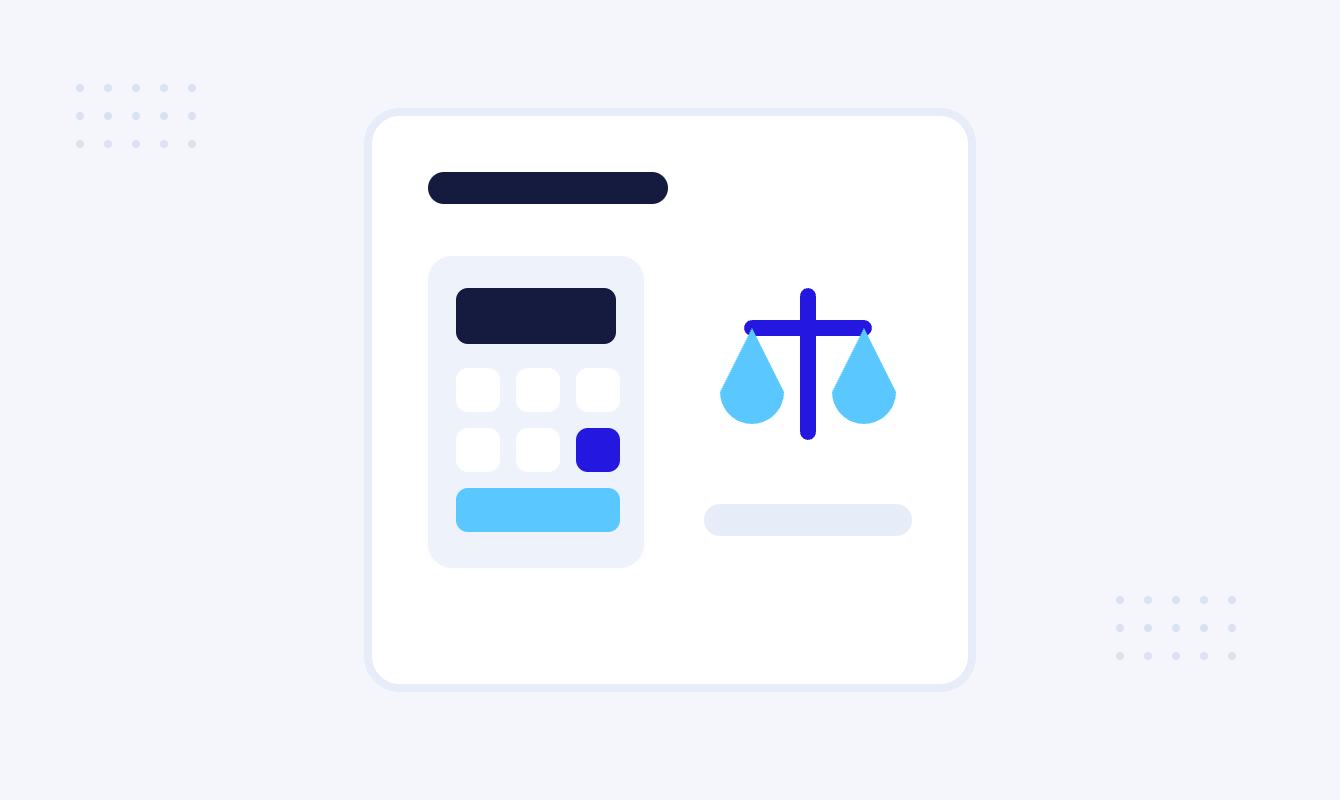
03 Hire Vs Agency Comparison EmulentThe framing that consistently lands: the agency is a capacity and expertise investment that frees the in-house team to do the work only they can do. You are asking for specialized execution hours that would otherwise cost two full-time hires, benefits, tools, and 12 months of ramp time.

Numbers that make the case credible:

  • Fully loaded cost of a senior SEO hire: Salary plus benefits plus tools plus recruiting plus management overhead typically lands between $130,000 and $180,000 per year. A specialized agency engagement covering more ground, at or below that number, with no ramp time.
  • Ramp time comparison: A new hire needs 3 to 6 months to learn your business before they start shipping meaningful work. A senior agency starts shipping in weeks.
  • Opportunity cost of current gaps: Name the specific projects that have slipped and the estimated revenue each one represents. If the team has missed two technical fixes and four content launches, price those at your average revenue per ranking page.
  • Risk of staffing fragility: A single-hire SEO function fails the day that person takes leave or accepts another offer. An agency has redundancy built in.

Frame the decision as a growth bet with measurable returns, rather than a patch for a performance issue. When leadership sees it as a growth investment that belongs at the top of the budget, approval becomes routine.

“Budget approval is a storytelling exercise. The in-house marketer who walks in with a revenue model attached to specific agency outputs is the one who walks out with a yes.” – Emulent Strategy Team

The investment case only pays off if the agency you select can actually deliver on it.

What Signals Separate A Real Agency Partner From A Retainer Trap?

The agency you choose matters more than the fact that you chose one. The wrong fit absorbs the budget, produces vague reports, and makes the internal case harder the next time. The right fit compounds for years. A few signals separate the two.

04 Roi Case Numbers EmulentSignals of a high-ROI partner:

  • Senior leadership actually works on your account: Ask who will be running your program in month six. If the pitch team is different from the delivery team, that is your first warning sign.
  • No outsourcing of core work: The content, technical audits, and strategy should be produced by the agency’s own team, not handed off to offshore subcontractors.
  • Contract flexibility: Good agencies do not need long-term lock-ins to keep clients. They earn the renewal through results.
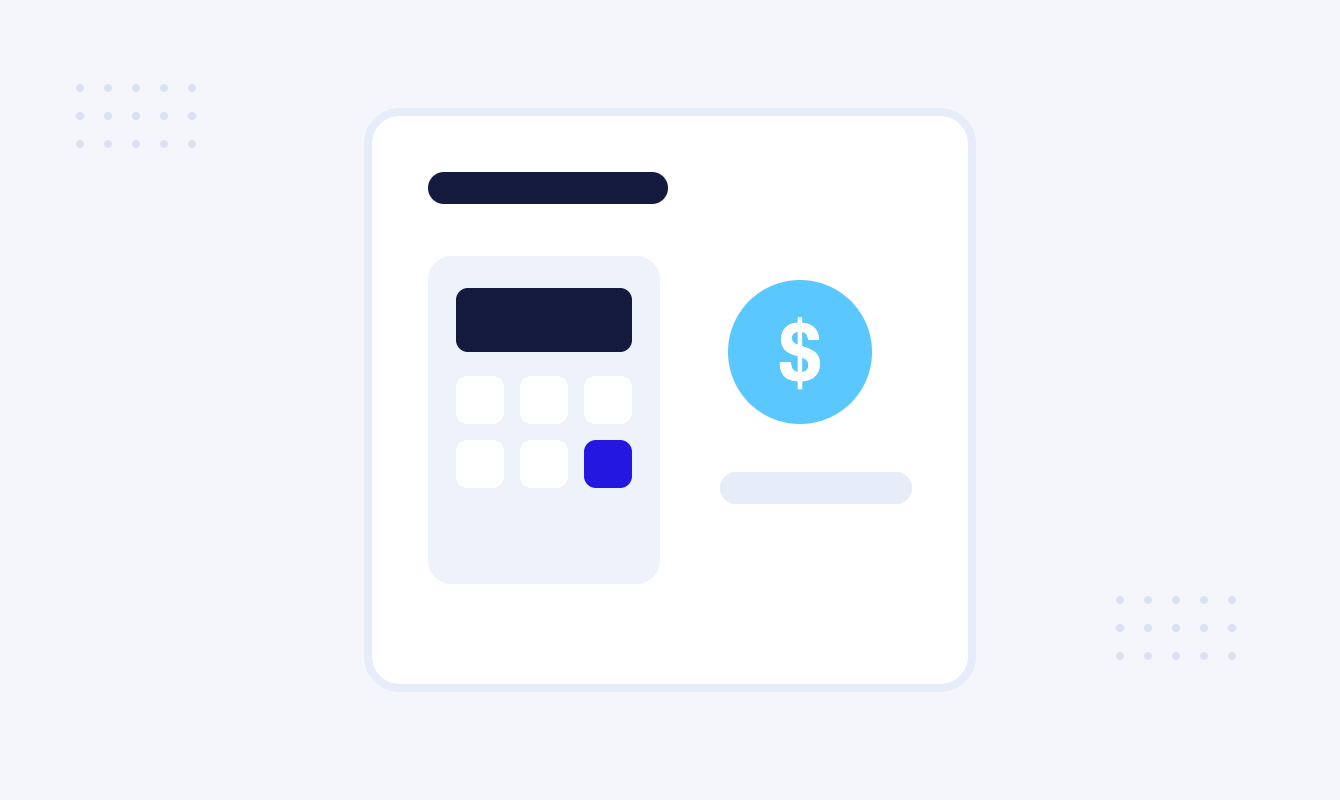
  • Revenue-level reporting, not vanity metrics: Traffic and ranking reports are the minimum. Reports that connect to pipeline, leads, and revenue are the bar.
  • Custom scoping rather than packaged tiers: A packaged SEO retainer rarely matches your site’s actual needs, which is why we wrote about the problems with enterprise SEO packages.
  • Direct access to senior people: Email, text, or phone access to the person making decisions on your account is an operational baseline, not a luxury.
  • Integration with your team: The best agencies sit in your Slack, attend your marketing meetings, and work inside your process rather than around it.

When we look at our longest client relationships, they all share a pattern. The in-house marketer kept control. The agency took the specialized and high-volume work. The measurement was scoped and reviewed monthly. The relationship was compounded because both sides could point to what they produced. A cleaner partnership structure produces the returns. The template is secondary.

How Emulent Can Help With Your SEO Partnership

We work with in-house marketing teams who want capacity and expertise without losing control of their program. Our engagements are built around what your team cannot fit into the week, measured in ways you can report up the chain, and structured to keep so in the driver’s seat. We have done this for 20 years across enterprise, B2B, SaaS, and mid-market brands, and we scope every engagement to the specific gaps in front of you.

If you want to talk through where an SEO partnership could amplify what your team is already doing, contact the Emulent team, and we will walk through it with you.