DeVooght House Lifters is a construction company that specializes in house lifting, moving, and foundation repair. They work with homeowners who need to raise their homes for flood protection, fix foundations, or move their houses within the area. Industry: Construction / House Lifting Services Type: Small Business Challenge: DeVooght House Lifters wanted to boost their online presence and attract more qualified leads. Their website was not ranking well in search results, so they were not getting enough visitors or new business. Approach: Emulent redesigned the website to improve search rankings and help generate more leads. The project included: They made the website redesign process easy and have measurably improved our company’s online presence. We have seen a 120% increase in qualified leads, and a 200% increase in Google organic traffic. Owner, DeVooght House Lifters Orsini is a national specialty pharmacy that supports patients with complex, long-term health conditions. They offer personalized clinical care, help with medication management, and a range of support programs for people taking specialty medications. Industry: Specialty Pharmaceutical Services Type: Enterprise Challenge: Orsini needed a reliable digital partner who could build effective websites quickly and work well with different teams across their organization. They wanted a team that could make complex pharmaceutical ideas easy to understand on a professional website. Approach: We worked with Orsini on several projects during different stages of their company’s growth. Our work included: He’s responsive, great to collaborate with, and has a real knack for turning our ideas into fully functional websites. His team keeps things simple and efficient, focusing on clean execution and a smooth process from start to finish. Senior Director of Marketing, Orsini Pharma HairClub is a top hair restoration and replacement company with more than 120 locations in the United States. They provide hair transplants, non-surgical replacement systems, and hair loss treatments for both men and women. Industry: Hair Replacement / Personal Care Services Type: National Franchise (120+ locations) Challenge: HairClub.com wanted to improve their national SEO strategy and bring more people into each of their 120+ franchise locations. Their Google Business Profiles needed work, and they did not have a unified local SEO plan across all locations. Approach: Emulent started with detailed local and national SEO audits to find areas for improvement. The team then created and launched a growth plan focused on each location, which included: They conducted a local and national SEO audit. Bill and his team at Emulent provided a local SEO growth strategy, regional landing page strategy, local content creation, and a local photo acquisition strategy to generate location-specific photos for our Google Business Profile Pages. Marketing Director, HairClub.com Reprocell is a contract manufacturing organization from the UK that works globally. They specialize in stem cell research, tissue engineering, and drug discovery, providing these services to pharmaceutical and biotech companies worldwide. Industry: Life Sciences / CMO Type: Global Enterprise Challenge: Reprocell wanted to expand into the US market, but their products and services were not appearing in Google search results for US users. Approach: We developed a clear SEO and content plan, beginning with Reprocell’s tissue engineering division. Our strategy included steps such as: Because our initial work was successful, Reprocell asked us to use the same strategies for all their business units. Thanks to their guidance, we have seen a dramatic increase in organic website traffic and inquiries. Bill has been a delight to work with and was available to answer any questions about SEO and related topics. He has a comprehensive technical understanding of SEO and was able to explain these complicated topics to our team no matter their level of experience. I highly recommend Emulent to anyone looking to improve their organic reach and traffic. Marketing Manager, Reprocell S2S is a government services and defense contracting company that offers specialized corrosion control solutions to federal agencies. Industry: Government Services / Defense Contracting Type: B2B / Government Contractor Challenge: S2S needed to build their website while working with many stakeholders across the company. They were looking for a partner with industry experience who could handle complex dynamics and keep the project moving smoothly. Approach: Emulent worked closely with the entire organization to deliver results: Their team interacted with multiple stakeholders within our organization seamlessly. They brought a wealth of industry experience that helped us discern where to put resources and were never a bottleneck in our development process. I can’t say enough great things about working with this team. We’re very happy with the final product we collaborated towards! Senior Program Management Analyst LubrizolCDMO is a global contract development and manufacturing organization. They focus on advanced drug delivery solutions, pharmaceutical development, and manufacturing services for biotech and pharmaceutical companies around the world. Industry: CDMO Type: Global Enterprise Challenge: LubrizolCDMO needed a stronger digital presence to stand out in a crowded market. Their website did not show the full range of their capabilities and was not attracting the organic search traffic their brand deserved. Approach: We worked closely with their team to build a complete digital strategy from the ground up. This included: Bill and his team are intellectually generous and explain the steps we take together in a way that makes sense. We get great and consistent SEO results from using Emulent. Their website services make it as painless as possible to make a new site and keep it up to date. Thanks, Bill! CMO, Lubrizol CDMO UCFS offers lending solutions and support services to merchants. They work with organizations to provide reliable financial products that help clients reach their goals. Industry: Financial Services / Lending Type: B2B Financial Services Challenge: UCFS needed a digital partner to support their website and improve SEO results. They wanted a team that could offer guidance and deliver real growth in organic lead generation. Approach: We worked with UCFS to create and carry out a complete website and SEO strategy that included: I’m thankful to have found Emulent as our company’s partner to support our website and SEO initiative. Excellent guidance and work product! Marketing Manager, UCFS Agno Pharma is a global company that offers contract development and manufacturing services for the pharmaceutical industry. Industry: Pharmaceutical / CDMO Type: Global Enterprise Challenge: Agno Pharma was acquiring a US-based CDMO and needed a brand refresh to represent the new, combined company. Approach: We delivered complete marketing support and strategy, including: Bill’s responsiveness and professionalism have made him a trusted partner for over three major website updates. He takes the time to truly understand our brand, ensuring that every project reflects our vision. We would not go anywhere else – if you’re looking for a dedicated team to assist with multiple aspects of your business, Bill and Emulent are the experts to work with! Marketing Lead, Agno Pharma Larsen Billing works with healthcare providers to improve how they manage revenue. The company provides billing, coding, and practice management services for medical practices. Industry: Medical Billing Services Type: B2B Services Challenge: Larsen Billing had tried several website and SEO projects with other vendors, but none were successful. As a result, they struggled to get enough organic traffic and qualified leads to grow their business. Approach: We created a complete strategy for website improvements and creative content that included: After many failed website / SEO projects over the years, I was determined to find someone who could actually deliver and bring us the traffic we needed. Bill is that person, and within just a few short months of working with him, he was able to transform our online presence. We started seeing high-quality leads a few weeks after our new site launched, translating into more meetings and new clients. Owner, Larsen Medical Billing IND Distribution is an online retailer offering a wide range of aftermarket automotive parts and accessories. Their catalog features thousands of performance parts, replacement components, and other car accessories. Industry: eCommerce and automotive aftermarket parts Type: eCommerce business Challenge: IND Distribution needed to move their aftermarket product store to Shopify. They wanted to maintain their current traffic and sales during the transition and required ongoing support to make the most of the new platform. Approach: Emulent managed the eCommerce migration and provided SEO services, which included: Bill was invaluable when it came time to migrate a diverse aftermarket product store to a new platform; we couldn’t have asked for better planning through execution. Bill’s expertise in SEO instantly saw our site traffic increase by +155%, sales grow by +673%, and search result rankings increase significantly and maintain a very high level. As we worked through new content, the long-term support ensured that none of our efforts were wasted, a huge benefit to our efficiency as a company. GM, IND Distribution Wake Pest is a pest control company based in Wake County, North Carolina. They offer pest management services for both homes and businesses, including treatments for common household pests. Industry: Home Services / Pest Control Type: Local Business Challenge: Wake Pest was stuck with a popular home services marketing vendor who controlled their website on a system they didn’t own. They couldn’t make updates or changes, and needed to regain control while also boosting their local marketing results. Approach: We helped Wake Pest move away from their vendor, who controlled their website. Our work included: We’ve had an excellent experience working with Emulent for website design, ongoing maintenance, and SEO. Bill Ross, the owner, is incredibly responsive and genuinely easy to work with. He’s always available to meet or jump on a call, and he’s very open to discussing new ideas or improvements. What really stands out is how quickly he acts — many times he’s implemented suggestions the very same day. Beyond the great communication, we’ve seen real results, including improved search visibility and a website that performs better and is easier to manage. It feels like a true partnership rather than a vendor relationship, and I highly recommend Emulent to anyone looking for hands-on, results-driven website and SEO support. Owner, Wake Pest Snap36, now known as 1WorldSync, specialized in product photography and 360-degree imaging. They helped eCommerce brands create eye-catching visual content. Industry: eCommerce Services / Product Photography Type: B2B Services Challenge: Snap36 needed a full digital transformation. This included redesigning their website, creating an interactive trade show booth, providing ongoing maintenance, and developing an SEO strategy to attract more qualified leads. Approach: We delivered a range of digital marketing services to improve Snap36’s online presence, which helped lead to their acquisition by a larger company. Our work included: The only way to describe our experience with Emulent is incredible. They’ve been so patient with all of our needs and have fully executed all of them. The SEO work, complete website redesign and upkeep, and customer service have all been phenomenal. We wouldn’t want to work with anyone else! Marketing, Snap36 Altus Medical Equipment supplies essential medical devices and equipment to hospitals, clinics, and other healthcare providers. Their products help support patient care and daily clinical operations. Industry: Medical Equipment / Healthcare Type: B2B Challenge: Altus Medical Equipment wanted to boost their website’s visibility and attract more visitors to their product pages. Approach: We offered flexible SEO and website services designed to fit their budget, including: I’ve worked with him at two companies, and he’s been so flexible in helping us with exactly what we needed and keeping the cost within our budget. When we relaunched our website, Bill walked us through the steps necessary to grow our site visits. In the time I’ve worked with Bill, we’ve tripled the organic traffic to our site. Marketing Directory, Altus Inc. LLamasoft (now part of Coupa Software) was an enterprise supply chain analytics and design software company. Industry: Enterprise Software / Supply Chain Analytics Type: Enterprise SaaS Challenge: They needed a true SEO partner to guide them through a complete website redesign. Their internal team lacked SEO expertise, and they needed someone who could provide detailed guidance throughout the entire redesign and relaunch process. Approach: We provided end-to-end SEO consulting for the website redesign. This included: We realized we needed to search for a true SEO partner who could help us through the entire redesign process and give us deeper insights into SEO management. We evaluated a few firms, but none were as knowledgeable and flexible as their team. My coworkers and I worked with Bill from the beginning of our website redesign and relaunched to develop a customized plan. None of us were SEO experts, and without Bill’s detailed help and suggestions, we would never have been able to achieve the success we are having with our new site. Senior Product Manager, LLamasoft, Inc. (now Coupa) Merithot Creative is a marketing agency providing branding, design, and digital marketing services to businesses. They partner with clients to develop compelling brand identities and marketing strategies. Industry: Marketing Agency Type: Agency Partner Challenge: They needed a reliable SEO partner to support their clients’ website launches and ongoing improvements. They needed a partner who truly cared about their clients’ success and could identify technical, design, and content opportunities. Approach: We provided white-label SEO services for Merithot’s clients, This included: Emulent has been an instrumental partner in launching and continuously improving many of our client’s websites and web presences. They’ve helped us create cornerstone content that has translated to big gains in organic traffic and helped identify huge technical, design, and content opportunities. Bill, in particular, is extremely responsive and knowledgeable. We’ve worked with several firms for SEO and content services, but none cared about our client’s success as much as Emulent . Owner, Merithot Creative Agency RJ Garage Door Service is a locally owned garage door company providing residential and commercial garage door repair, installation, and maintenance services. Industry: Home Services / Garage Door Services Type: Small Business Approach: We executed a comprehensive content creation, website rebuild, and SEO strategy that included: RJ Garage Door Service was running on a poorly coded WordPress framework that was difficult to update and actively hurting their SEO performance. The site’s underlying theme and structure created technical bloat, slow load times, and made even simple content updates a headache. Rather than working around a broken foundation, they needed their website migrated to a clean, optimized WordPress framework that would support their growth and give them a competitive edge in local search. Camargo Pharmaceuticals (now part of Premier Research) was a regulatory consulting firm specializing in the 505(b)(2) drug development pathway. Industry: Pharmaceutical Consulting / Regulatory Services Type: Enterprise Challenge: They needed a complete website redesign but faced multiple challenges that local and national firms couldn’t address. They needed a partner who could understand their highly technical pharmaceutical jargon, handle blog integration, update their brand look, and integrate their forms with their CRM system. Approach: We provided a comprehensive solution that addressed all of Camargo’s challenges. This included: After interviewing local and sizeable national site redesign firms, we couldn’t find a provider to address all the challenges. Then we found Bill and his team. Bill quickly learned the nuances of our technical jargon and seamlessly generated web content. They met every need we had with our website redesign, site, blog integration, brand and look update, and forms-CRM assimilation. Bill and his team exceeded our expectations. Bill lives and breathes all things digital marketing. The strategies he implements do work to optimize a company’s online presence for best ROI. Bill has helped to introduce SEO concepts and strategy, as well as website integration to our CRM. His involvement has been valuable and instrumental in establishing efforts to enable a more effective reach to our current and potential clients. The results we have had from Bill’s team’s work have steadily increased over the past 18 months. I cannot recommend Bill Ross’s approach highly enough. Marketing Director, Camargo (now Premier Research) Garage Door and More is a family-owned and operated garage door company based in Charlotte, NC, serving the greater Charlotte metro area including Indian Trail, Matthews, Mint Hill, Huntersville, and surrounding communities. Industry: Home Services / Garage Door Services Type: Small Business Approach: We partnered with Garage Door and More to rebuild their entire digital foundation and launch a comprehensive SEO and content strategy. This included: Garage Door and More was stuck on a poorly coded WordPress framework managed by a nationally recognized agency that was actually hurting their brand and search performance. The site was difficult to update, loaded with technical bloat, and wasn’t built to support local SEO growth across the Charlotte metro. They needed to break free from that vendor, take ownership of their digital presence, and rebuild on a clean, optimized foundation. Bill is very responsive and super helpful. Anytime I need a change or update, I’m impressed by how quickly he can assist and complete the job perfectly. Our company has been working with him for several years, and we are all very happy. Thank you for all you do for us! I learned a lot about strategy from Bill, but two things set him apart: 1) Bill can speak from experience on nearly any SEO project. 2) Bill truly understands the big-picture role of SEO alongside content strategy, UX, and other marketing channels. I was at a standstill with my new blog and needed that extra push to make it a success! Bill Ross at Emulent was my savior! He listened to what I wanted, knew exactly what I needed, and helped to launch the blog to the next level. Bill Ross saved my life. I’d worked hard for years. I’d carried SEO as a banner. Working with a talented team we’d doubled our site’s sales in only a matter of years. That accomplishment was fading fast. I hired Bill as our organic search listings dramatically headed lower, and we didn’t know why. I needed a smart bloodhound, someone who would be relentless in his pursuit of the problem. I knew our code was spaghetti, or so wrapped and tangled it would take a special talent to find the problem. Think of a needle hidden in a haystack. Now think of a single needle hidden in a single haystack in a field of haystacks. Where do you start? How do you begin? I pulled in my team with Bill leading our Search Engine Optimization, our graphic designer and merchandiser. I included our backend Information Technology team. There wasn’t any low hanging fruit. Bill took care of the standard SEO problems in short order. This was something different, something sinister and deeply hidden trashing our existing Google listings. My backend IT guys wanted assurances we couldn’t provide. They wanted to do THE THING that would fix the problem. When Bill explained we had several ideas and would only know AFTER they fix each you could see their anger. Always play poker with IT guys. You can see how they feel fast and this meeting was going south. Bill managed to agreement picking one of the five things we thought might be the problem and ordering the other issues. We weren’t sure we would get all five things fixed. If we didn’t hit the problem in the first couple of guesses we would lose momentum and respect and more money. We were up to $300,000 lost and everyday we bled a little more. Did I mention December 25 was only a few short months away? The first had our backend team fix wasn’t the problem. Bill stayed on our IT team bucking them up and assuring them we knew what were doing and would likely hit the problem with the next swing. And that is exactly what happened. Bill found the needle in a field of haystacks. Our site recovered its #1 organic search position on our most important keyword. The bleeding stopped. If you don’t understand how Bill saved my life you’ve never run a multi-million dollar web site you’ve built from almost nothing, you’ve never managed an eCommerce site at the holidays and you don’t understand how important organic search and the traffic and legitimacy it brings are to a Director of E-Commerce. I was ready to jump off the roof when Bill came along with the most talented SEO nose I’ve ever encountered. There is a lot of snake oil in SEO. Bill doesn’t sell snake oil; he just has the best SEO sense I’ve ever met (and I’ve met and worked with some of the best SEO talent around including Bruce Clay). If you want your web site to rank highly in Google hire Bill Ross as your SEO expert. The deal is you have to share him if I need him again ☺. They needed help transforming their SEO strategy to represent their new brand. We also worked with them during the M&A activities to help them migrate their acquisitions into their primary website. We worked with them to define a content, SEO growth and keyword strategy, and worked closely with their M&A’s to transition their websites into the primary 1Worldsync.com brand without losing traffic or leads. He is responsive, explains things well, and is a great problem solver. He created a beautiful and functional website for me. I would highly recommend him and his work. His custom and personalized approach to SEO is why I keep working with him. He understands each project is different and provides custom solutions based on the customer’s objectives. Most agencies treat the situation as a one-size-fits-all, so his approach is unique. He went above and beyond to ensure that he delivered on what was agreed upon. In helping us launch our blog, Bill was strategic about the overall vision and tactical enough to suggest minor enhancements, spend extra time to find solutions that fit our needs, and work within specific guidelines. He was extremely responsive and proactive every step of the way. Bill is the type of guy who you aren’t sure if he actually sleeps at night. The guy simply accomplishes far more than would seem normal. But Bill is driven and knows what he wants to do. He cares about his work and holds himself to a very high standard. I saw Bill hold his own many times and he always approached clients and projects with a can-do attitude. I hope to work with Bill again soon. If that happens, it’s most likely he would be my boss this time around. And I would take the job in a second. That’s how good this guy is.
Every brand has a story worth telling. We helped write these.
We Worked With Partner Agencies On These Brands







A Few Recent Design Projects
Agno Pharma

BrightWorks CoWorking

Orsini

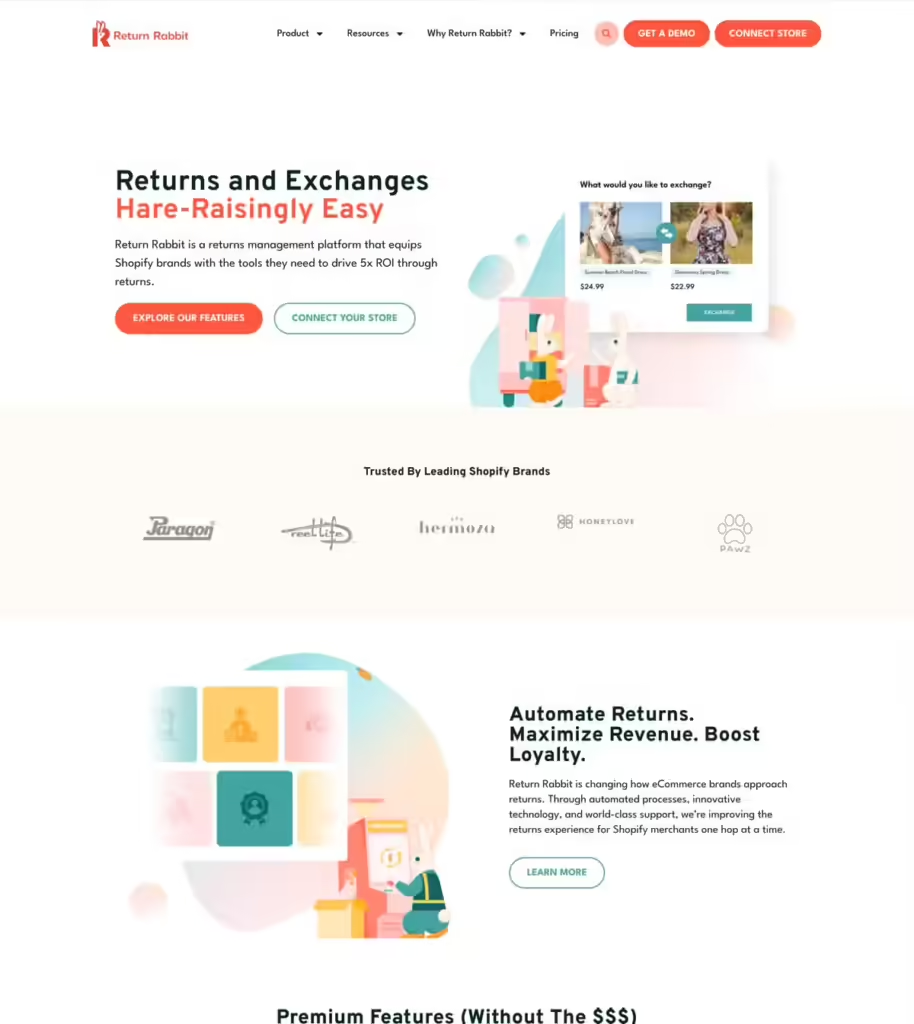
Circadian Risk
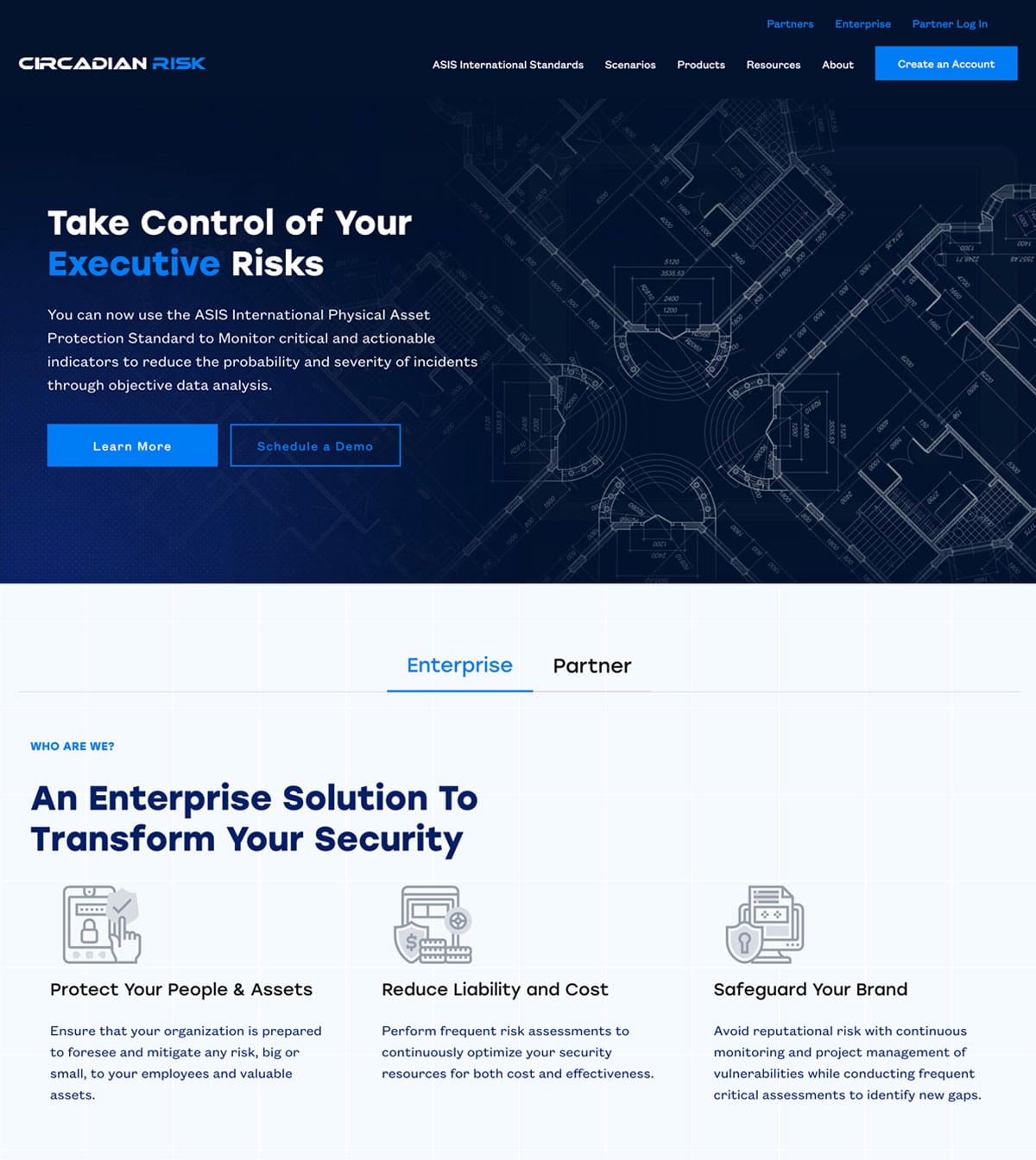
Return Rabbit
Krea Medica

Reveel

Garage Door and More

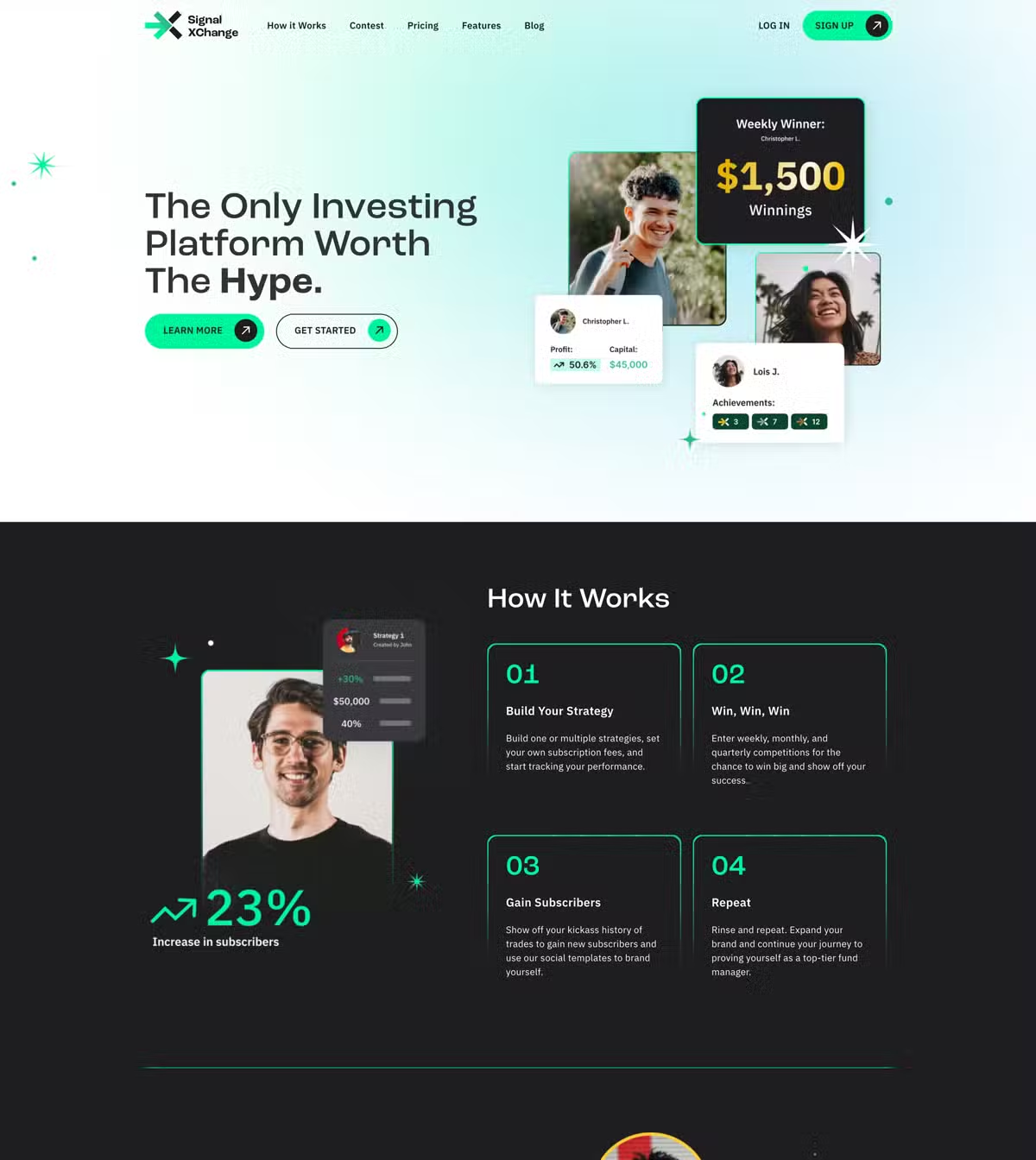
Signal XChange
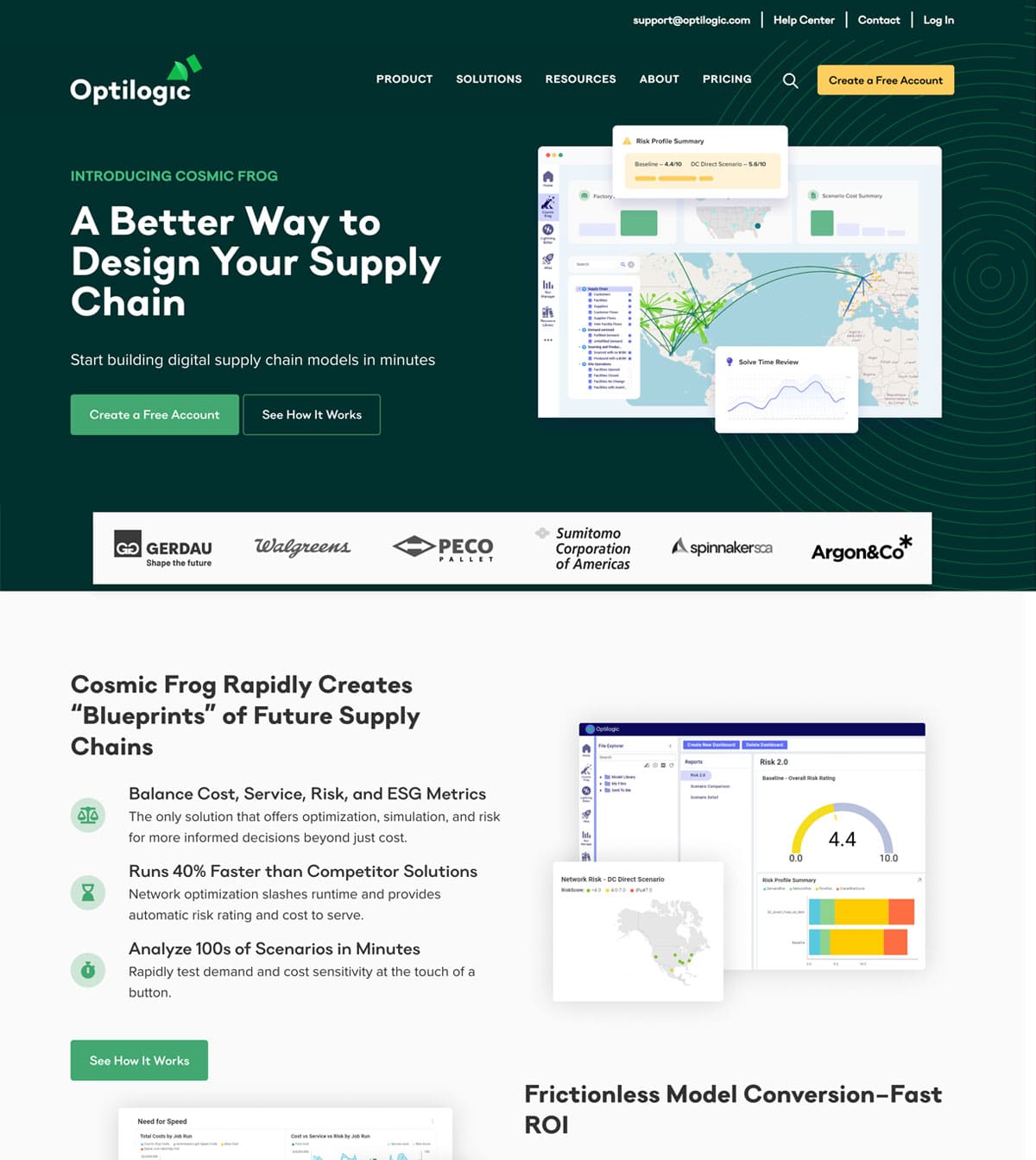
Optilogic
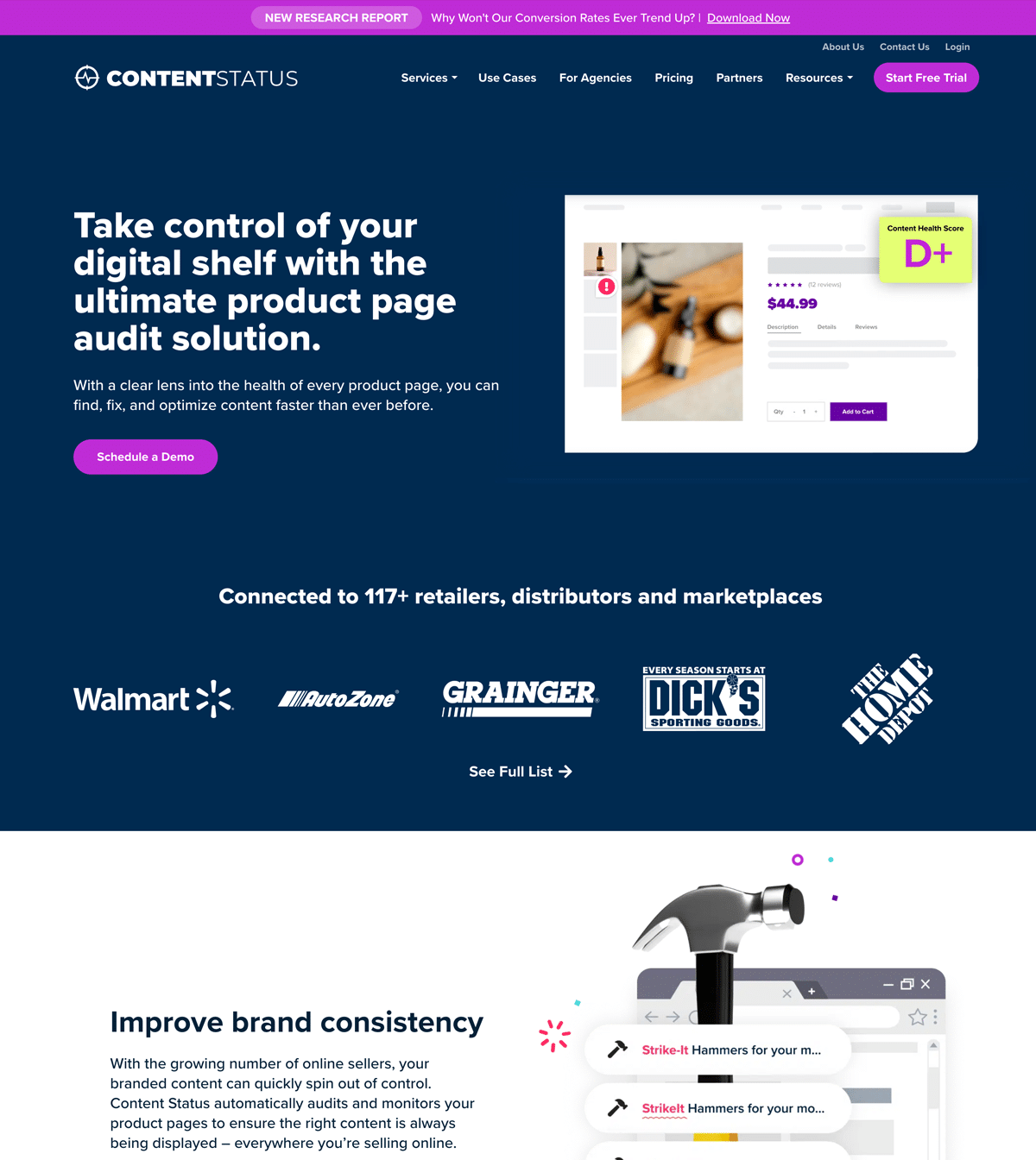
Content Status
Skybird Roofing

Recent Results & Client Stories

Transforming a Specialized Construction Company into a Lead Generation Machine
Bill and the team are extremely responsive and easy to work with.
Deanna DeVooght
120%+
Qualified Leads
200%+
Google Traffic
220%+
Organic Reach

Turning Complex Pharmaceutical Services into Clean Digital Experiences
I’ve partnered with Bill/Emulent on multiple projects across different companies, and he always delivers.
Claire Noble

Scaling a National Hair Restoration Franchise Across 120+ Local Markets
Emulent and Bill Ross helped our 120+ location franchise, increase our Google Maps listings by 32% and grow our local SEO traffic by 110%.
Bill
32%+
Local Listings Ranking
110%+
Local Google Traffic
99%
Local Listings Optimized

Breaking a Global Life Sciences CMO into the American Market
Emulent is the gold standard in search engine optimization. We had a 124% in organic blog reach, 263% increase in organic traffic, and 157% increase in product page traffic.
Zara Puckrin
124%+
Organic Blog Traffic
263%+
Organic Reach
157%+
Product Traffic

Navigating Complex Government Stakeholders to Deliver for a Defense Contractor
Their team has been a pleasure to work with.
Flo De Sande

Delivering Enterprise Pharmaceutical Marketing Results to Rebuild a Life Science Brand
We get great and consistent SEO results from using Emulent. We’ve increase leads by over 37%, and 110% increase in blog traffic.
Joey Glassco
37%+
Leads
110%+
Organic Traffic

Driving Organic Lead Growth for a Financial Services Partner
I’m thankful to have found Emulent. We’ve increase organic leads by over 40%.
Janice
40%+
Organic Leads From Google

Building a Unified Brand Identity for a Global Pharmaceutical CDMO After Acquisition
They needed a full range of services, including website design, branding, logo design, SEO, and content creation, to build their new identity and support growth.
We are incredibly grateful for Bill and his team. Their expertise has been instrumental in our growth, from designing our website and logo to optimizing our SEO, creating compelling blog content, and offering great ideas.
Ingrid Schaper
30%+
SQLs
222%+
Organic Traffic

Delivering Results for a Medical Billing Company After Years of Failed Vendors
Within just a few short months of working with Bill, he was able to transform our online presence and increased our organic traffic by 138%.
Christine Romney
138%+
Organic Traffic

Migrating a Complex Automotive eCommerce Store to Shopify Without Losing Sales
Outstanding experience with the Shopify website migration and long-term support.
Chris
153%+
Organic Traffic
673%+
eCommerce Sales

Helping a Local Pest Control Company Escape Vendor Lock-In and Take Back Ownership
Charles Crowlet
241%+
Local Organic Traffic
250%+
First Page Rankings

Transforming an eCommerce Product Photography Company’s Digital Presence
The only way to describe our experience with Emulent is incredible. We’ve had a 62% increase in website leads.
Claire McCracken
62%+
Organic Leads From Google

Driving Product Visibility for a Medical Equipment Company
Sarah Leitz
120%+
PDP Traffic
72%+
Lead Opportunity
3x
Organic Traffic

Guiding an Enterprise Supply Chain Software Company Through a Complete Website Redesign
A month post-launch, we increased traffic by 7% and demo requests by 50%.
Sarah
50%+
Demo Requests
7%+
Organic Traffic
11%+
Lead Opportunity

Becoming the Trusted White-Label SEO Partner Behind a Marketing Agency’s Client Success
Emulent has been an instrumental partner.
Benjamin

Rebuilding a Garage Door Company’s Website on an Optimized WordPress Framework to Unlock Local SEO Growth
592%+
First Page Rankings
223%+
Top 3 Rankings
725%+
AI Citations

Mastering Pharmaceutical Jargon to Rebuild a Regulatory Consulting Firm’s Digital Presence
We can’t recommend them highly enough. We had a 152% increase in website leads, and a 29% increase in organic traffic.
Jen
152%+
Qualified Leads
29%+
Organic Traffic

Helping a Charlotte-Based Garage Door Company Escape a Bad Platform and Double Their Search Visibility
100%+
First Page Rankings
186%+
Top 3 Rankings
88%+
AI Citations

I highly recommend Emulent!
Tia Angelos
Program Director, Greektown Chicago

Bill is great to work with, and a very knowledgeable SEO expert
David Buesing
Director of SEO, Mindshare

In a world where customer service is dead, Bill’s team restored my faith in what it means to understand your customer.
Alison Victoria
HGTV
Martin
VP of eCommerce

Helping an eCommerce product orchestration brand increase traffic and leads from Google.

Bill is really easy to work with!
Brooke
Owner, Tumbleweed Travel Co.

I’d recommend Bill to anybody trying to solve the complexities of SEO.
Jason Dole
VP of Technology, World Book

Bill was very communicative and responsive to questions and comments about the process.
Melissa
Co-founder, Joshin.com

You can tell Bill really cares about his clients and producing a good product.
Lindsay Knight
Chicago Ventures
I worked with Bill for several years and was always impressed with his technical know-how combined with his easy-going style. He is smart and very, very hard working.
DJ Francis
Demand Gen Marketing, Intellistack